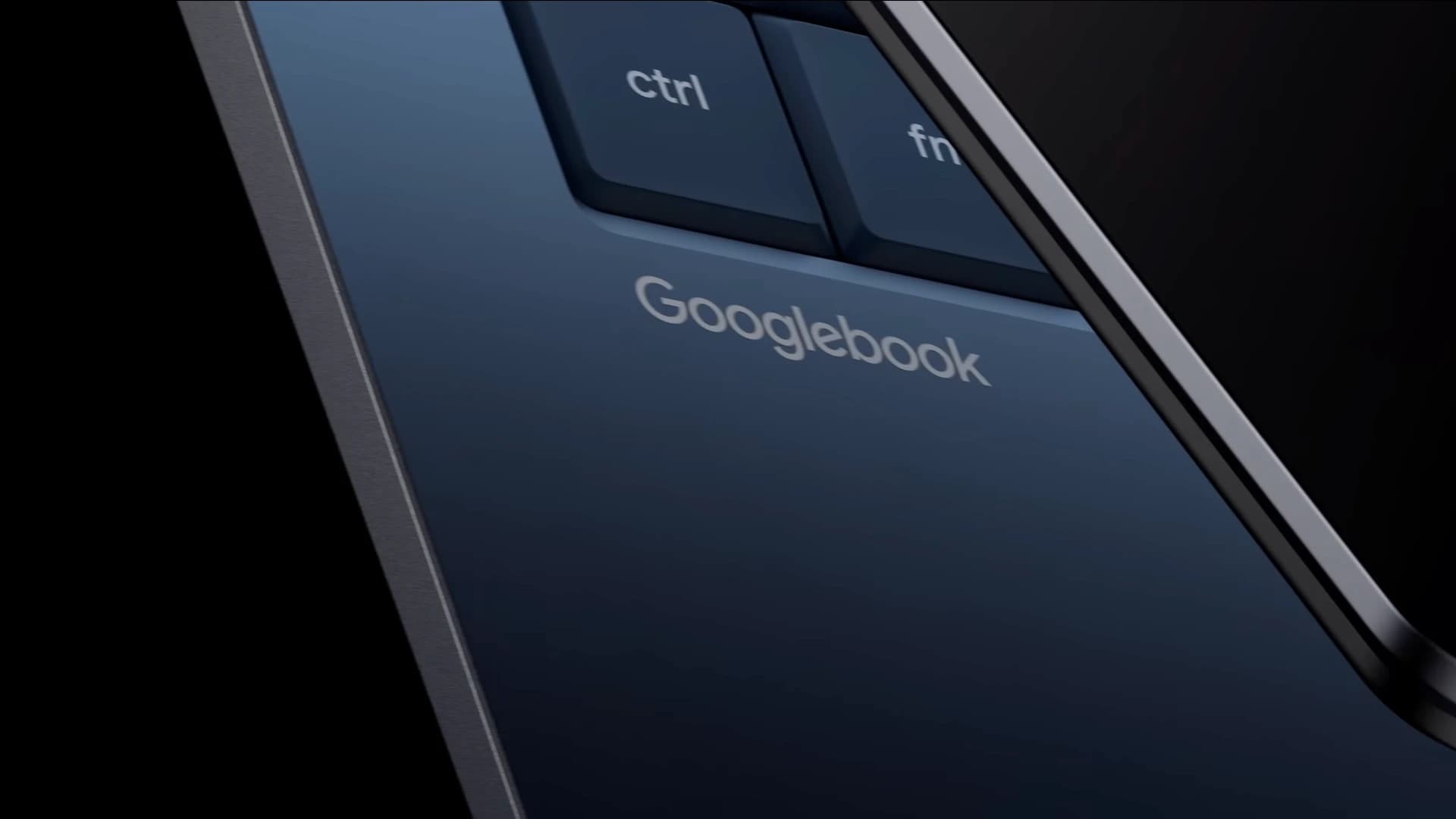
Photo via Inc.
Google recently unveiled what it positions as the next evolution of its Chromebook line, but industry observers are questioning whether the company has identified an actual market gap or is simply pursuing innovation for its own sake. According to Inc., the announcement raises fundamental questions about whether this new device represents something customers actually want or need.
The Chromebook line has carved out a specific niche in the computing market, particularly in education and budget-conscious segments. For Atlanta-area businesses and institutions—especially schools and nonprofits operating on tight budgets—Chromebooks have provided an affordable alternative to traditional laptops. Any successor needs to deliver clear improvements or cost advantages to justify adoption.
What remains unclear is whether Google's new offering meaningfully advances the value proposition that made Chromebooks appealing in the first place. Without addressing specific customer pain points or delivering substantial improvements in performance, battery life, or usability, the device risks being perceived as a solution searching for a problem rather than a strategic response to market demands.
For Atlanta technology decision-makers and procurement professionals, this development serves as a reminder to evaluate new devices based on demonstrable business outcomes rather than novelty. The key question isn't what Google has built, but whether it solves problems your organization actually faces.