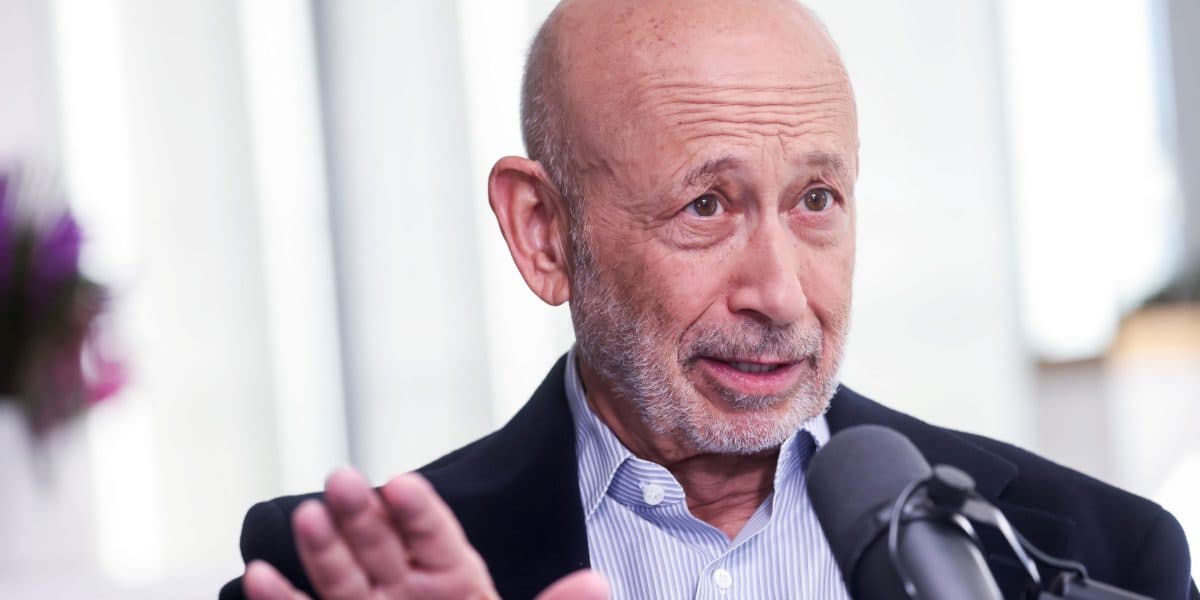
Photo via Fortune
Lloyd Blankfein, the former chief executive of Goldman Sachs, has articulated a concern that resonates across Atlanta's growing financial services sector: the real danger of artificial intelligence in banking isn't sentient machines, but rather the velocity problem. According to Fortune, Blankfein's warning centers on a deceptively simple issue—AI systems operating at speeds that outpace human error detection and correction.
The concern carries particular weight for Atlanta-based financial institutions and those managing complex trading operations or client portfolios. When AI agents execute decisions in milliseconds, the traditional safeguards of human review become obsolete. A miscalibration or logical error embedded in an AI system could propagate through markets or client accounts before anyone has time to intervene, creating systemic risk that even the most sophisticated risk management teams struggle to monitor.
Blankfein's caution reflects a broader industry shift: major financial firms are moving beyond enthusiasm about AI's productivity gains to sobering questions about accountability and control. For Atlanta wealth managers, investment firms, and financial tech companies, this means the competitive advantage won't simply be adopting AI agents, but implementing robust oversight architectures that keep human decision-makers in the loop on mission-critical functions.
The takeaway for local financial leaders is clear: the race to automate isn't won by the fastest implementers, but by those who can deploy AI while maintaining meaningful human control and rapid error correction. This distinction could reshape how Atlanta's financial services community approaches digital transformation over the next 18 months.