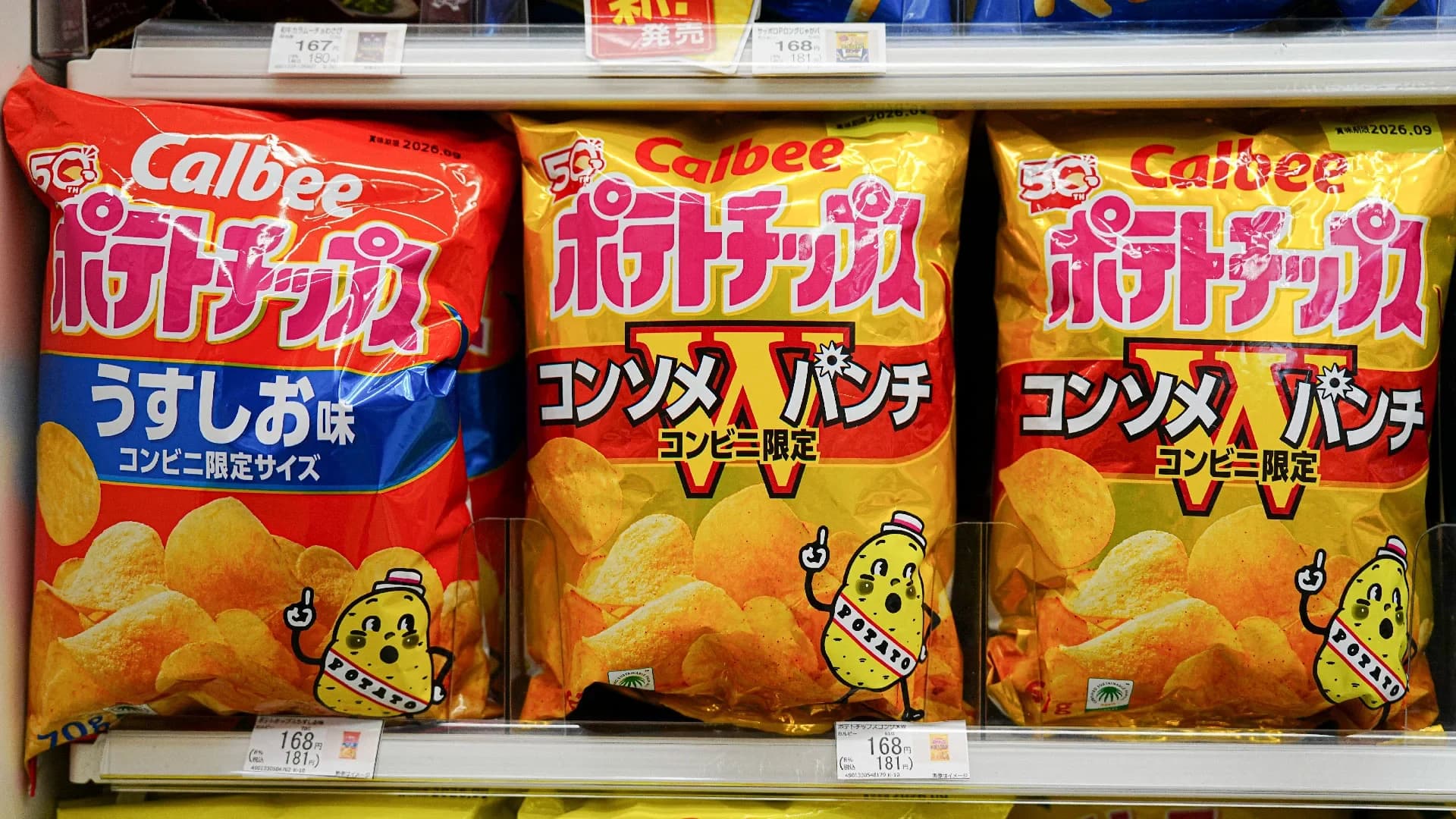
Photo via Inc.
Calbee, Japan's leading snack manufacturer, is implementing significant changes to its product packaging as a direct response to material shortages caused by disruptions in critical global shipping routes. According to reporting from Inc., the company is transitioning several of its most recognizable brands to monochrome packaging designs, a move that underscores the vulnerability of international supply chains to geopolitical events.
The packaging modifications stem from blockade-related constraints affecting the Strait of Hormuz, a crucial waterway for global commerce. For businesses operating in the Atlanta region—particularly those in retail, food distribution, and consumer goods—this development serves as a stark reminder of how distant geopolitical events can cascade into operational challenges and consumer-facing changes.
Companies dependent on imported materials or complex multinational supply networks are increasingly exposed to similar disruptions. Local retailers, distributors, and manufacturers should evaluate their sourcing strategies and develop contingency plans for critical materials. The Calbee situation demonstrates that even established, well-resourced companies must adapt quickly when supply chains face unexpected constraints.
As Atlanta's business community continues to rely on global trade and international partnerships, this case illustrates the importance of supply chain resilience and diversification. Organizations should consider working with logistics partners to identify vulnerabilities and develop alternative sourcing options, ensuring they can maintain operations and customer satisfaction when global conditions shift unexpectedly.