The Organization for Economic Cooperation and Development (OECD) warned that geopolitical tensions in the Middle East will create headwinds for global economic growth throughout 2024, regardless of whether crude oil prices peak in the near term. The organization's latest economic assessment suggests that the fallout from regional conflict extends well beyond commodity markets, affecting everything from consumer confidence to corporate investment planning.
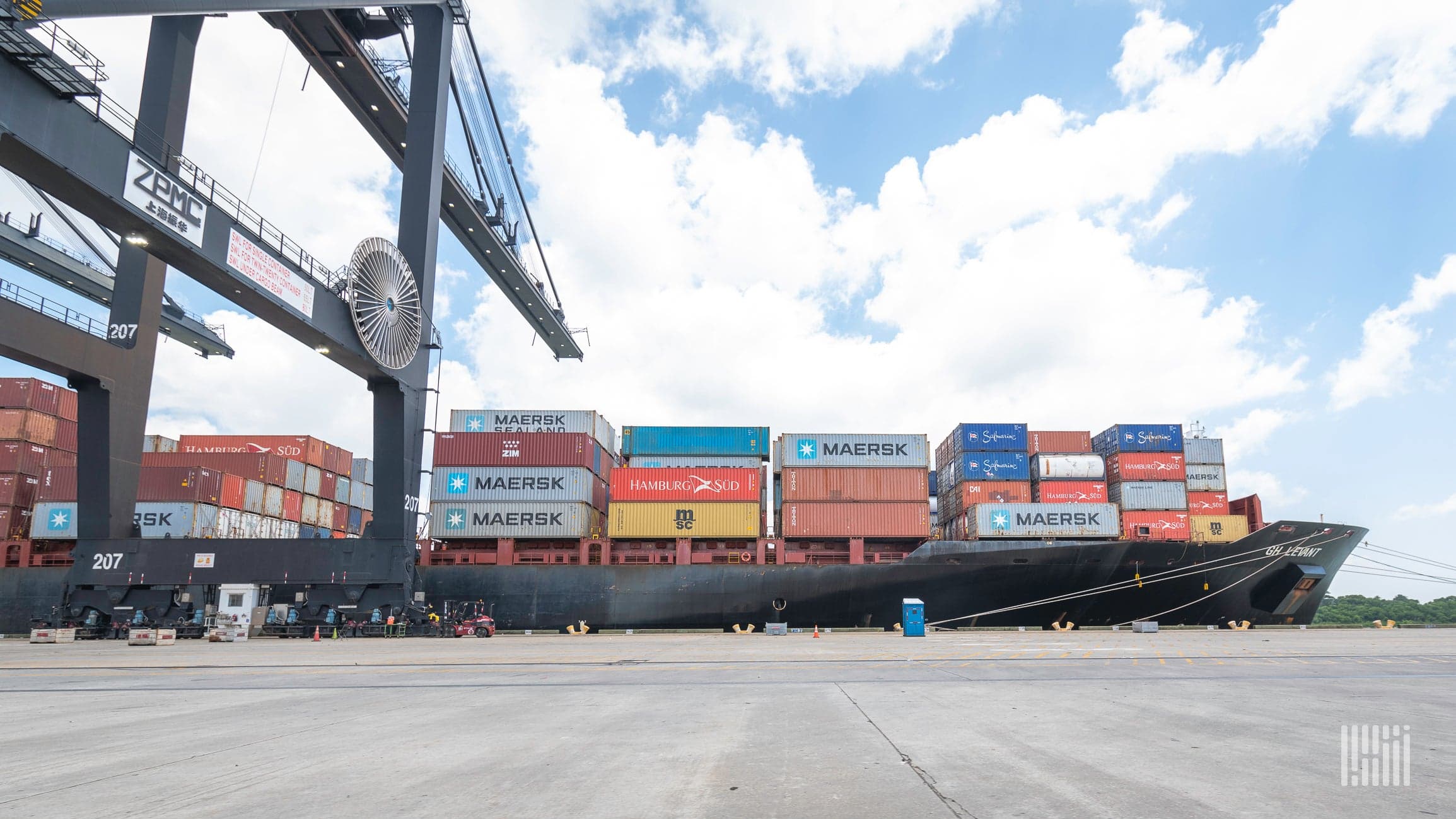
For Atlanta-area businesses, particularly those in logistics, energy, and manufacturing sectors, the cautionary outlook carries real implications. Supply chain disruptions linked to Middle East instability could complicate inventory management and increase transportation costs for regional companies reliant on global trade routes. Energy-dependent industries and port operations at the Port of Savannah may face particular pressure from price volatility.
The OECD's analysis indicates that even if oil markets stabilize, the broader economic uncertainty will persist. Companies are likely to adopt more conservative spending and hiring strategies in response to geopolitical risk, which could dampen growth across multiple sectors. Financial institutions and corporate strategists in Atlanta should prepare for a more cautious business environment than previously forecasted.
The takeaway for local executives: this is an opportune moment to review supply chain resilience, energy hedging strategies, and cash management practices. Businesses that proactively address these risks now may find themselves better positioned than competitors when clearer economic signals emerge later in the year.