According to reporting from The New York Times Business section, a significant economic disruption has reverberated through global markets over the past two months, leaving most international economies struggling to adjust. The scale and speed of this global downturn stands in sharp contrast to the relative stability U.S. markets have maintained during the same period, raising questions about how long American insulation can last.
For Atlanta-based companies with international operations or supply chain dependencies, the divergence between U.S. and global economic conditions presents both opportunity and risk. While domestic consumers and businesses benefit from a more stable operating environment, those with exposure to European, Asian, or emerging markets face headwinds that could eventually filter back to Georgia operations.
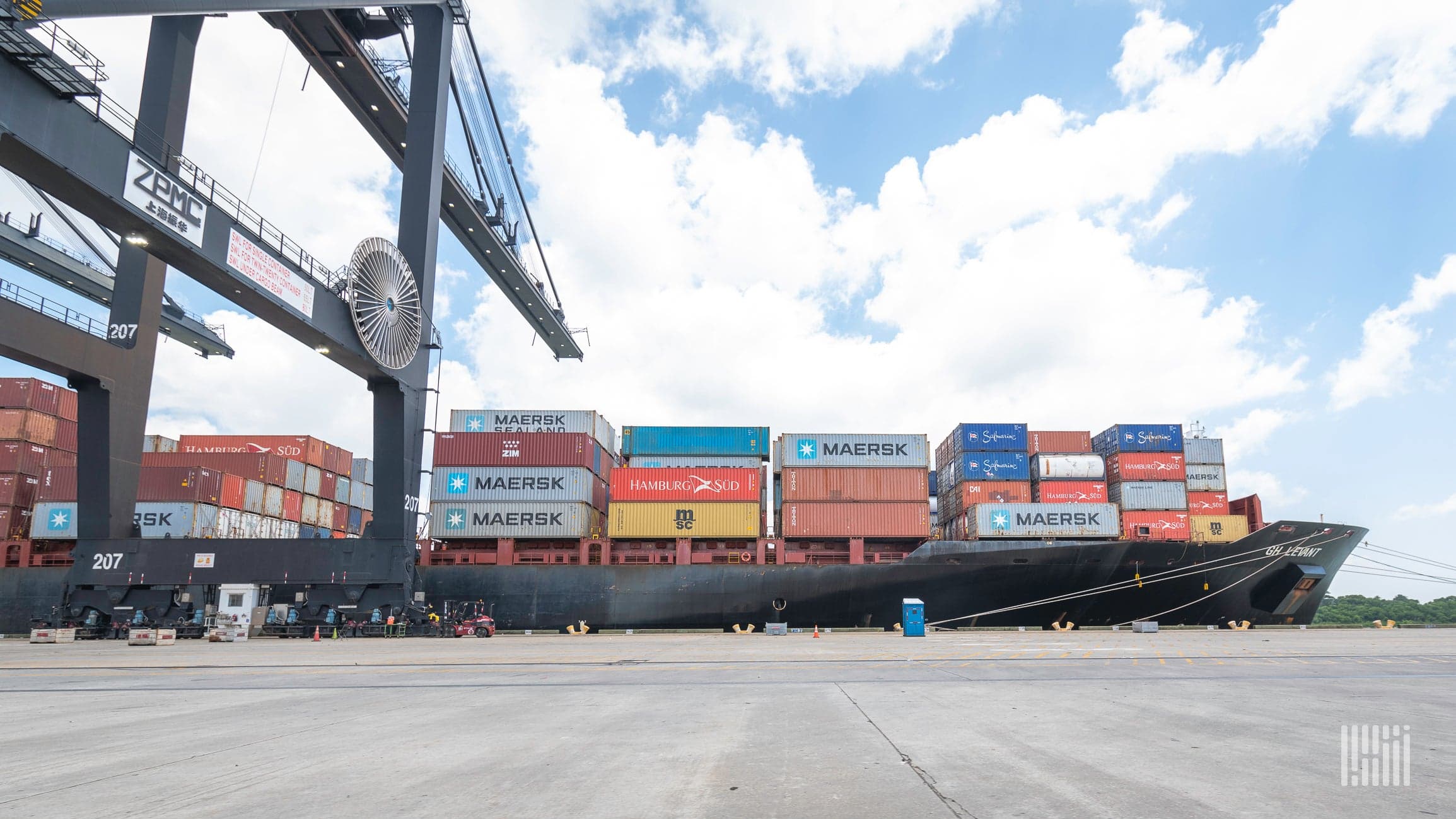
Logistics and manufacturing sectors—key components of Atlanta's business landscape—will likely feel secondary effects as global trade patterns shift and international demand fluctuates. Companies managing inventory or sourcing materials from affected regions should monitor supply chain vulnerabilities and consider geographic diversification of their operations.
The current disconnect between American economic resilience and global turmoil may be temporary. Business leaders in Atlanta should prepare contingency plans for potential spillover effects while taking advantage of the current domestic stability to strengthen their competitive positions and build supply chain redundancy.