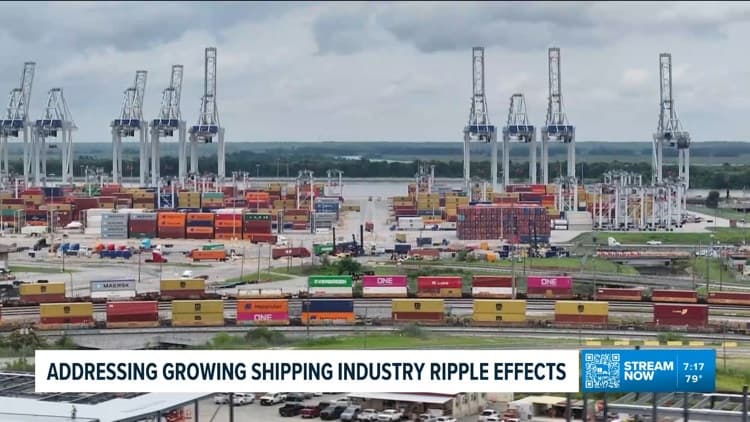
Photo via 11Alive Atlanta
Georgia's push to develop inland ports represents a strategic infrastructure investment aimed at modernizing the state's supply chain capabilities. According to 11Alive Atlanta, these new rail-connected facilities are designed to shift freight handling away from traditional highway routes, potentially easing pressure on congested corridors throughout the Atlanta metro region. The initiative reflects growing recognition that the state's transportation network requires alternatives to truck-dependent logistics in an era of accelerating e-commerce and consumer demand.
For Atlanta-area businesses and logistics operators, inland ports offer a competitive advantage by providing multimodal transportation options that can reduce shipping costs and delivery times. By leveraging rail infrastructure, shippers can move goods more efficiently across longer distances while decreasing the number of trucks on I-75, I-85, and other critical arteries. This shift addresses a persistent challenge for the region: managing freight movement while maintaining viable commuter corridors in one of the nation's most congested metropolitan areas.
The expansion also carries broader economic implications for Georgia's position as a logistics hub. Enhanced inland port capacity strengthens the state's appeal to distribution centers, manufacturing operations, and corporate headquarters seeking reliable supply chain infrastructure. As companies increasingly prioritize operational efficiency and sustainability, Georgia's diversified port network—combining the Port of Savannah with new inland facilities—positions the state competitively against rival logistics centers across the Southeast.