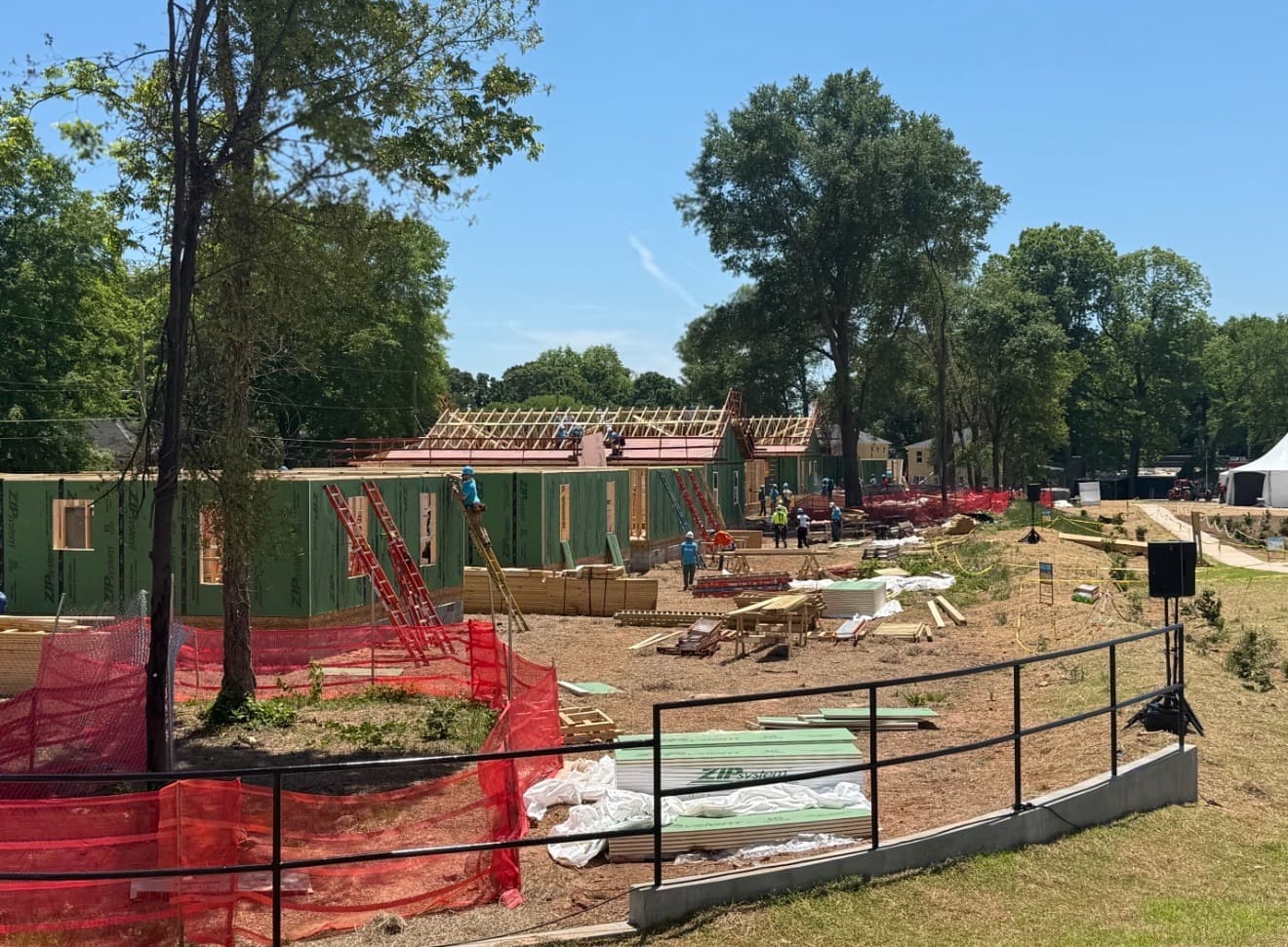
Photo via SaportaReport
Georgia's construction sector stands as one of the state's fastest-expanding industries, driving economic growth and employment across the region. However, according to SaportaReport, this expansion has come with mounting pressures on workers that have largely outpaced the availability of mental health resources and support systems. Industry professionals are increasingly vocal about the need to address this gap, recognizing that worker wellbeing directly impacts both individual lives and organizational productivity.
The construction industry's high-stress environment—characterized by demanding schedules, physical strain, job site hazards, and project-based employment uncertainty—creates unique mental health challenges that differ from many other sectors. Despite these pressures, many Atlanta-area construction firms have been slow to implement comprehensive mental health programs or normalize discussions around psychological wellness. The stigma surrounding mental health in traditionally masculine-dominated trades continues to deter workers from seeking help or employers from investing in preventive resources.
Industry leaders and workplace advocates are now calling for a cultural shift within Georgia's construction sector, urging companies to integrate mental health support into their standard workplace benefits and safety protocols. This movement reflects a broader recognition that supporting employee mental wellness is not only a moral imperative but also a business necessity that can reduce turnover, improve safety outcomes, and strengthen Georgia's competitive advantage as a construction destination.