Photo via SaportaReport
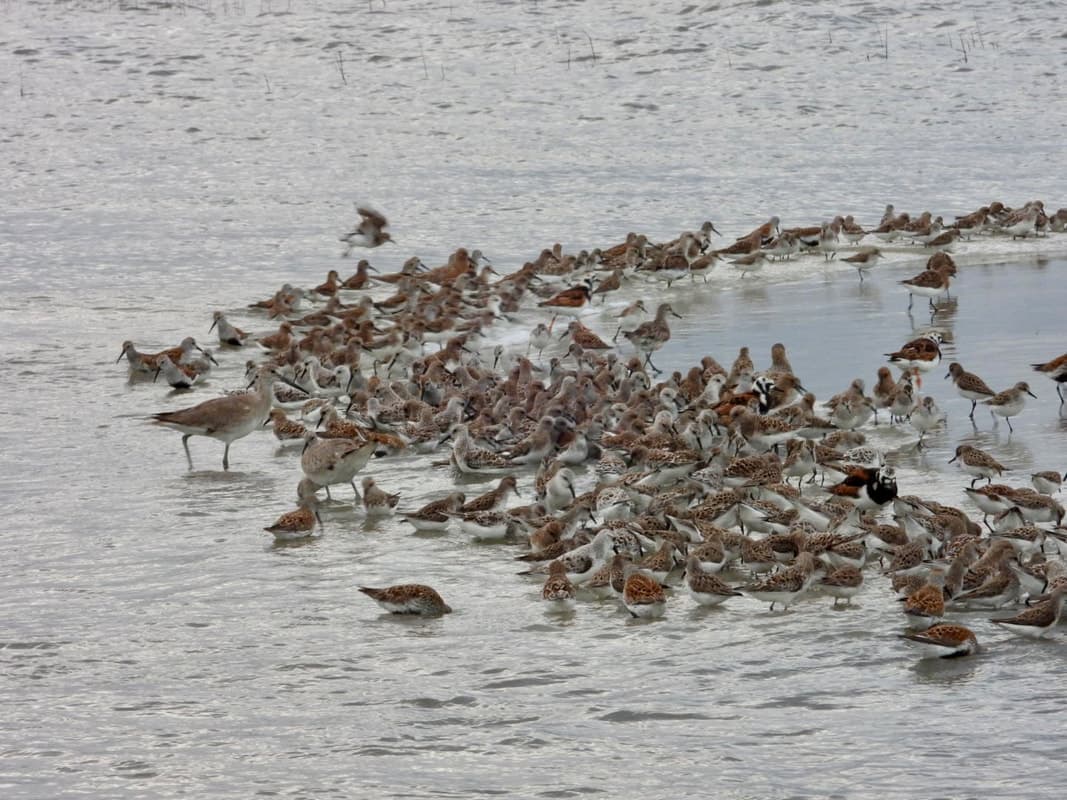
Georgia's coastal ecosystem is experiencing a significant breeding season for seabirds and shorebirds, with nesting and fledging activity underway along the state's barrier islands. According to Birds Georgia, monitoring efforts are focused on Cumberland Dividings Bird Island in Camden County, where researchers track the success of breeding populations. This natural cycle underscores the ecological richness that defines Georgia's coastal region and its appeal to visitors and outdoor enthusiasts.
The protection of Georgia's bird islands represents an important convergence of environmental stewardship and economic development. Coastal conservation initiatives support the tourism industry that depends on pristine natural habitats, while also creating opportunities for environmental consulting, research partnerships, and eco-tourism ventures. For Atlanta-area businesses with regional exposure, these protected lands enhance Georgia's competitive positioning as a destination for wildlife tourism and nature-based recreation.
As Georgia continues to balance development with conservation, the health of coastal bird populations serves as a barometer for ecosystem vitality. Monitoring programs like those on Cumberland Dividings Bird Island provide data that informs both environmental policy and business investment decisions in the coastal zone. For companies operating in logistics, real estate, energy, and tourism sectors, understanding these conservation priorities is increasingly important to long-term operations and community relations in Georgia's coastal communities.