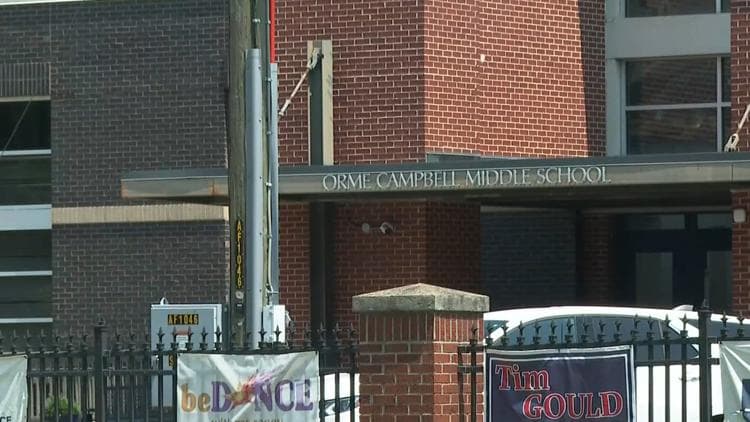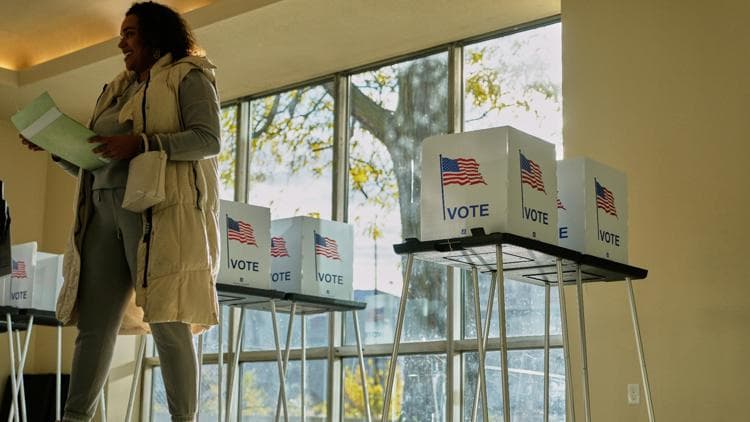
Photo via 11Alive Atlanta
Georgia's political landscape is heading toward a consequential runoff phase that will reshape the state's leadership and, by extension, its approach to business regulation and economic development. According to 11Alive Atlanta, top Republican candidates in both the gubernatorial and U.S. Senate primaries failed to secure outright victories, triggering head-to-head matchups scheduled for June 16. The outcomes will likely influence business-friendly policies, tax incentives, and regulatory frameworks that affect Atlanta-area companies across multiple sectors.
For Atlanta's business community, gubernatorial runoffs carry particular weight. The state's chief executive shapes workforce development initiatives, infrastructure investment priorities, and corporate tax policy that directly impact the region's competitiveness. Key industries including logistics, technology, and advanced manufacturing have significant stakes in how candidates position themselves on education funding, transportation infrastructure, and business incentives during the runoff period.
The Senate runoff will similarly affect Atlanta-area businesses with federal policy implications. Trade relationships, banking regulations, and federal contracts involving Georgia-based companies hang in the balance. The outcome could influence how the state's congressional delegation addresses issues critical to local chambers of commerce and major employers headquartered in the metro Atlanta region.
Business leaders and trade associations across Georgia are closely monitoring both races as candidates refine their messages for the June 16 runoffs. The compressed timeline between now and the runoff election means candidates will need to articulate clear positions on economic development, job creation, and business-friendly governance to distinguish themselves in what is expected to be an intense final campaign push.