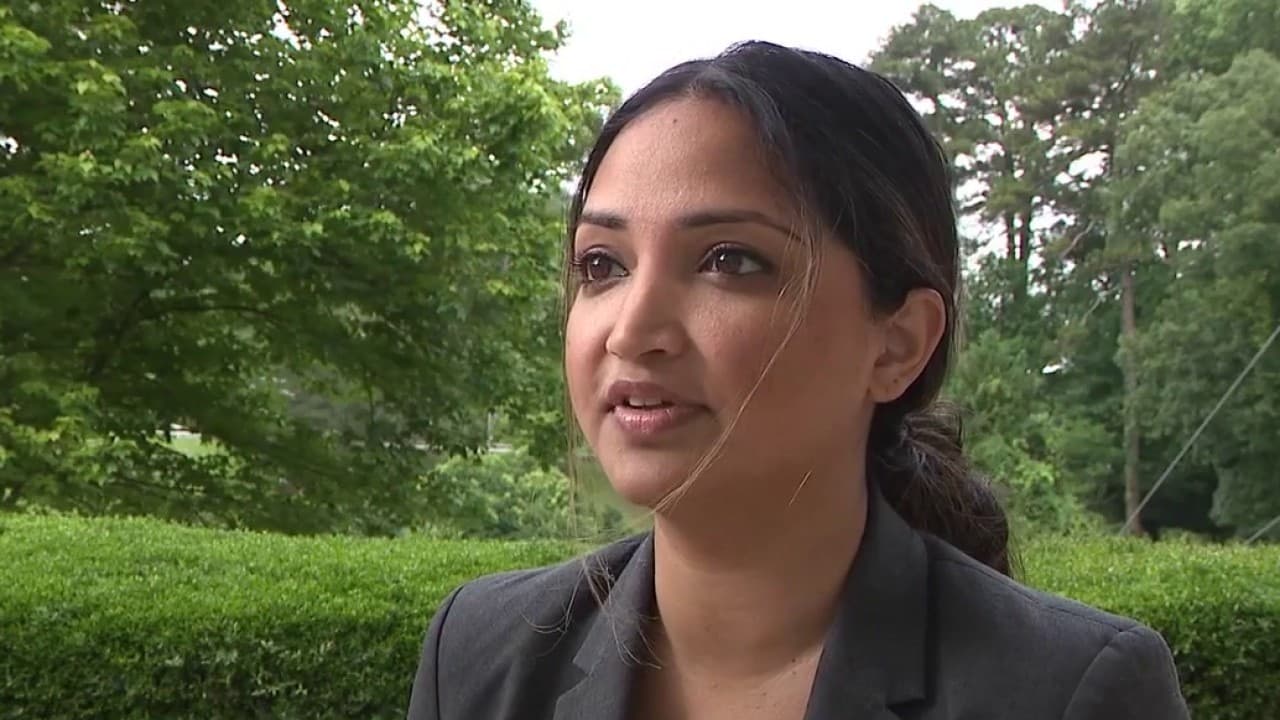
Photo via Fox5 Atlanta
The race for Georgia's lieutenant governor has narrowed to a two-candidate contest, according to Fox5 Atlanta. Nabilah Parkes and Josh McLaurin will face off in a Democratic runoff, setting up a pivotal matchup that will shape leadership on key policy areas affecting Atlanta's business community, from workforce development to economic incentives.
The lieutenant governor's office plays a significant role in Georgia's legislative agenda and economic priorities. Whoever emerges from this runoff will influence decisions on business regulation, tax policy, and workforce initiatives that directly impact Atlanta-area companies and the broader state economy.
Parkes and McLaurin represent different approaches within Georgia's Democratic Party, each bringing distinct platforms to address the state's economic challenges and opportunities. Their competing visions for Georgia's future will likely appeal to different segments of the business community and electorate.
For Atlanta business leaders monitoring the state political landscape, this runoff represents an important moment to assess how candidates plan to address workforce shortages, infrastructure needs, and business competitiveness. The outcome could influence Georgia's standing as a hub for corporate relocations and tech industry growth in the Southeast.