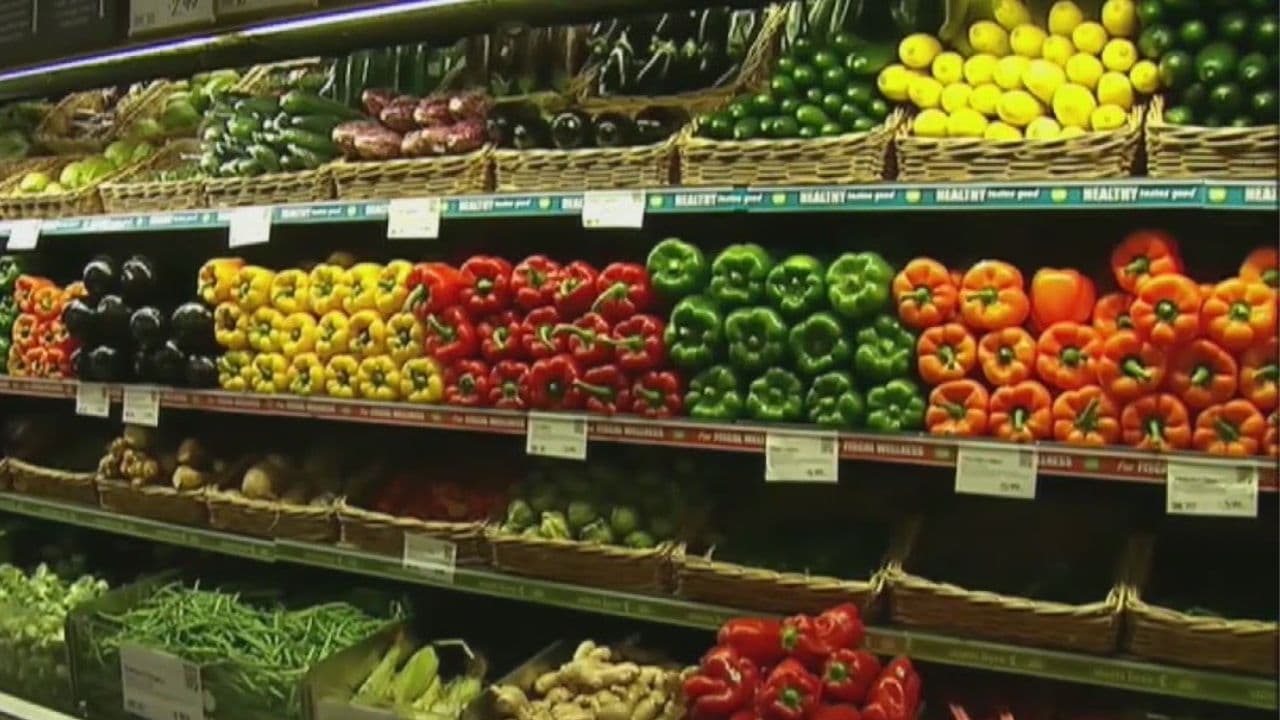
Photo via Fox5 Atlanta
Georgia families are paying premium prices at the supermarket. According to Fox5 Atlanta, the average Georgia household spends $8,960 per year on groceries, a figure that ranks 11th highest across all U.S. states. For Atlanta-area residents and business owners tracking consumer behavior, this data signals meaningful pressure on household budgets and discretionary spending capacity.
The grocery cost ranking reflects broader economic conditions shaping the Southeast's retail landscape. Atlanta's position as a major distribution hub and regional shopping destination means local grocery chains and retailers face competitive pressures while managing supply chain costs that ultimately reach consumers. These elevated prices may influence retail strategy and inventory management across the region's supermarket operators.
Higher grocery costs have ripple effects throughout Atlanta's economy. Consumer research and retail analysts note that elevated food expenses can reduce spending in other sectors, from dining out to entertainment and professional services. For Atlanta-area businesses dependent on discretionary consumer spending, understanding this cost pressure is essential to forecasting local economic activity.
As Georgia ranks in the upper tier of grocery costs nationally, local retailers and food distributors continue navigating inflation, labor expenses, and transportation costs. Business leaders in the Atlanta market should monitor these pricing trends closely, as they directly influence consumer purchasing power and overall regional economic health going forward.