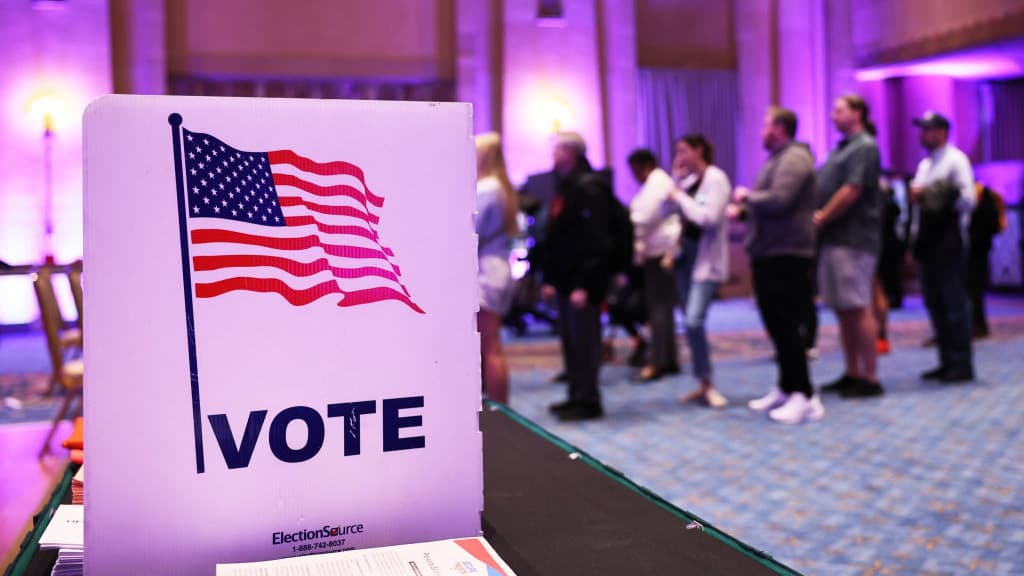
Photo via Fox5 Atlanta
According to InsiderAdvantage polling, Georgia's Republican primary contests for governor and U.S. Senate appear destined for runoff elections, indicating a fragmented GOP field without a clear frontrunner. This development has significant implications for Atlanta-area business leaders and corporate executives who monitor political developments affecting the state's regulatory and tax environment.
Runoff elections extend the primary calendar and create prolonged uncertainty around which candidates will represent the Republican party in November's general election. For Georgia's business community—particularly in Atlanta's financial services, real estate, and technology sectors—extended campaigns can mean delayed clarity on key policy positions regarding business regulation, workforce development, and economic incentives.
The necessity of runoff elections typically signals a crowded field where no single candidate has achieved the threshold needed to win outright. This dynamic could influence campaign messaging and spending, with implications for how candidates address issues important to Georgia's business constituency, including infrastructure investment, tax policy, and workforce talent acquisition.
Business leaders should monitor the runoff timeline and candidate positions closely, as the eventual Republican nominees will shape policy discussions on issues affecting corporate operations and Atlanta's competitive position as a regional business hub. The extended primary season may also impact voter engagement and turnout through November's general election.