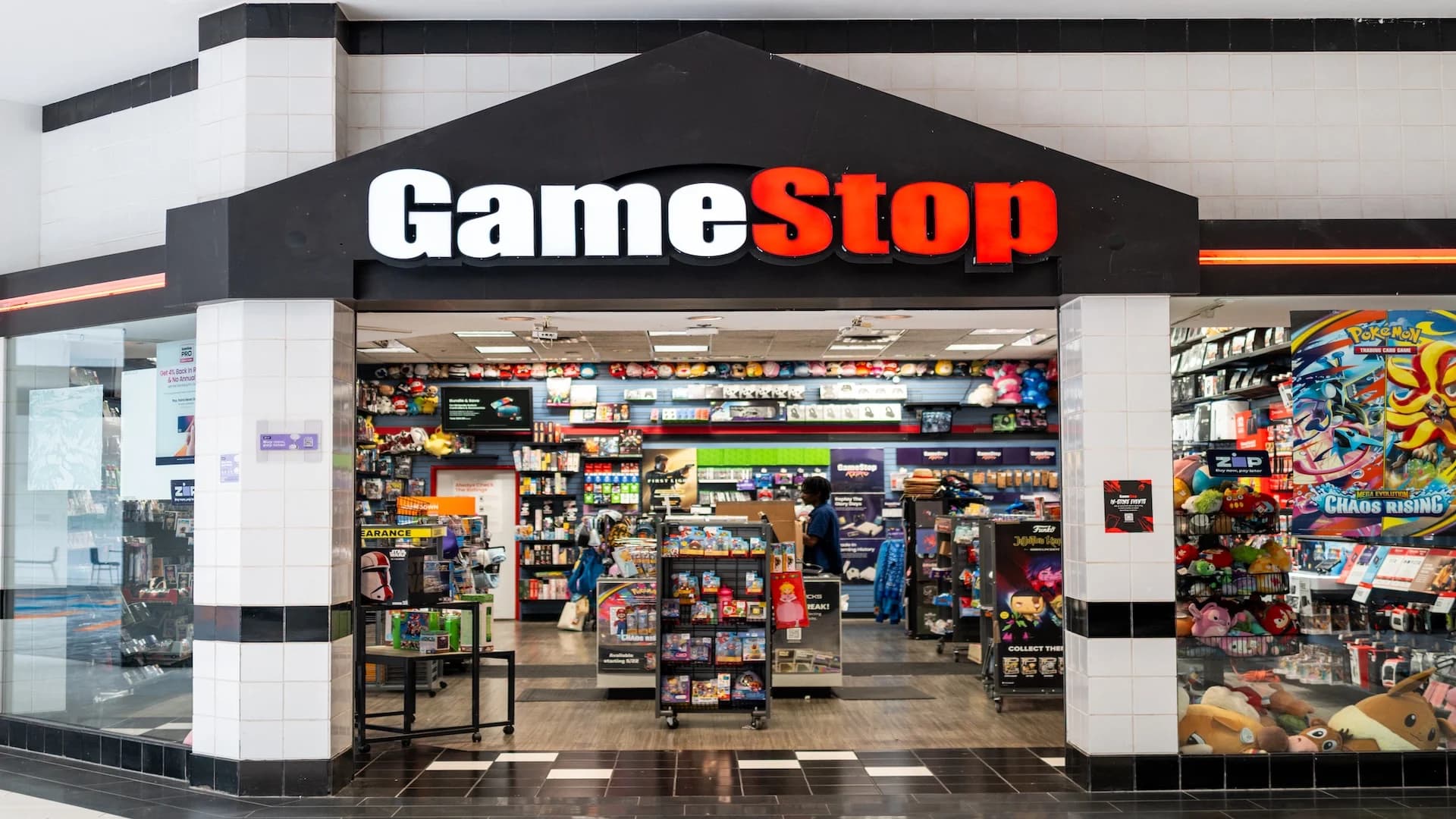
Photo via Inc.
GameStop's recent financial performance demonstrates a striking turnaround for a retailer that faced skepticism from major corporate buyers. According to reporting from Inc., the entertainment retailer posted net income of $389.6 million during its first quarter of the fiscal year—a remarkable achievement for a company that had been written off by some industry observers.
The retailer's rejection by eBay, rather than derailing the company, appears to have catalyzed internal changes and strategic refocusing. This narrative carries particular relevance for Atlanta-area retail leaders who operate in competitive, evolving markets. The company's ability to pivot and strengthen its core business without depending on strategic partnerships offers a blueprint for independent and regional retailers navigating post-pandemic commerce.
For Georgia's substantial gaming and entertainment retail sector, GameStop's resurgence underscores the enduring value of physical retail locations when properly positioned. Despite e-commerce dominance, the company found profitability through customer engagement and community-focused operations—a model Atlanta retailers across multiple categories have begun to emulate.
As retail economics continue to shift, GameStop's performance raises questions about which brick-and-mortar segments remain viable and how to structure them for profitability. Local business leaders and investors watching the gaming retail space will likely view this quarter as evidence that strategic adaptation and operational excellence can overcome skepticism in the traditional retail model.