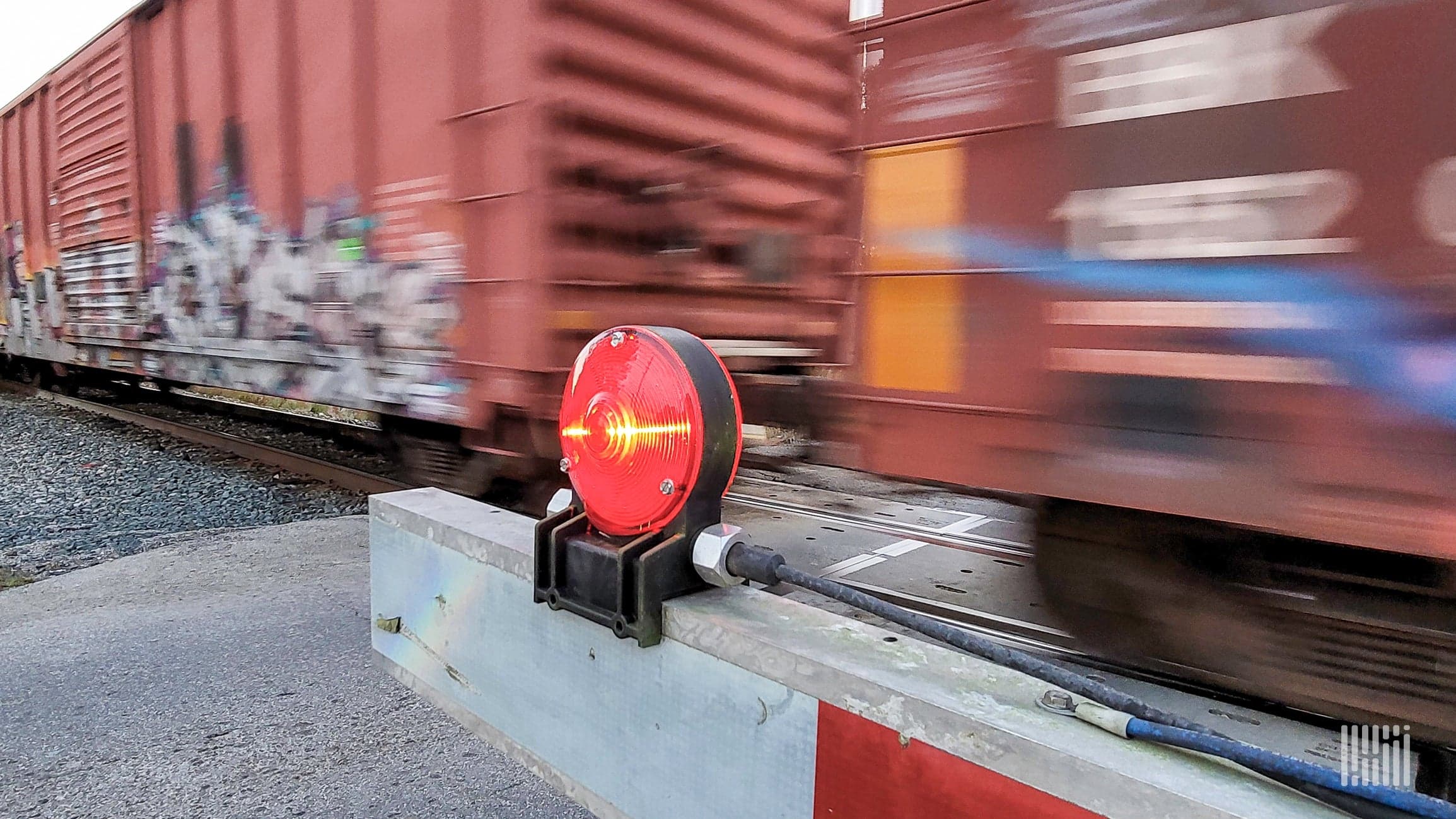
Photo via FreightWaves
The transportation and logistics sector is grappling with a troubling spike in freight train incidents. According to FreightWaves, five people lost their lives and two others were injured across four separate freight train collisions within a single week, underscoring persistent safety challenges in rail operations.
The incidents occurred in geographically dispersed locations, including areas near San Antonio, Texas and Ypsilanti, Michigan. This geographic spread suggests the safety concerns extend across multiple rail networks and operational regions rather than being isolated to a single corridor or carrier.
For Atlanta-area companies reliant on rail freight for supply chain operations—from distribution centers to manufacturing facilities—these incidents raise important questions about carrier safety records and operational standards. Businesses dependent on freight rail should review their logistics partners' safety protocols and incident histories as part of routine vendor assessments.
The recurring nature of these collisions points to a broader industry need for enhanced safety measures, better infrastructure maintenance, and possibly stricter regulatory oversight. As freight rail remains critical to Georgia's logistics ecosystem and regional commerce, stakeholders should monitor regulatory responses and industry initiatives aimed at preventing future tragedies.