Photo via FreightWaves
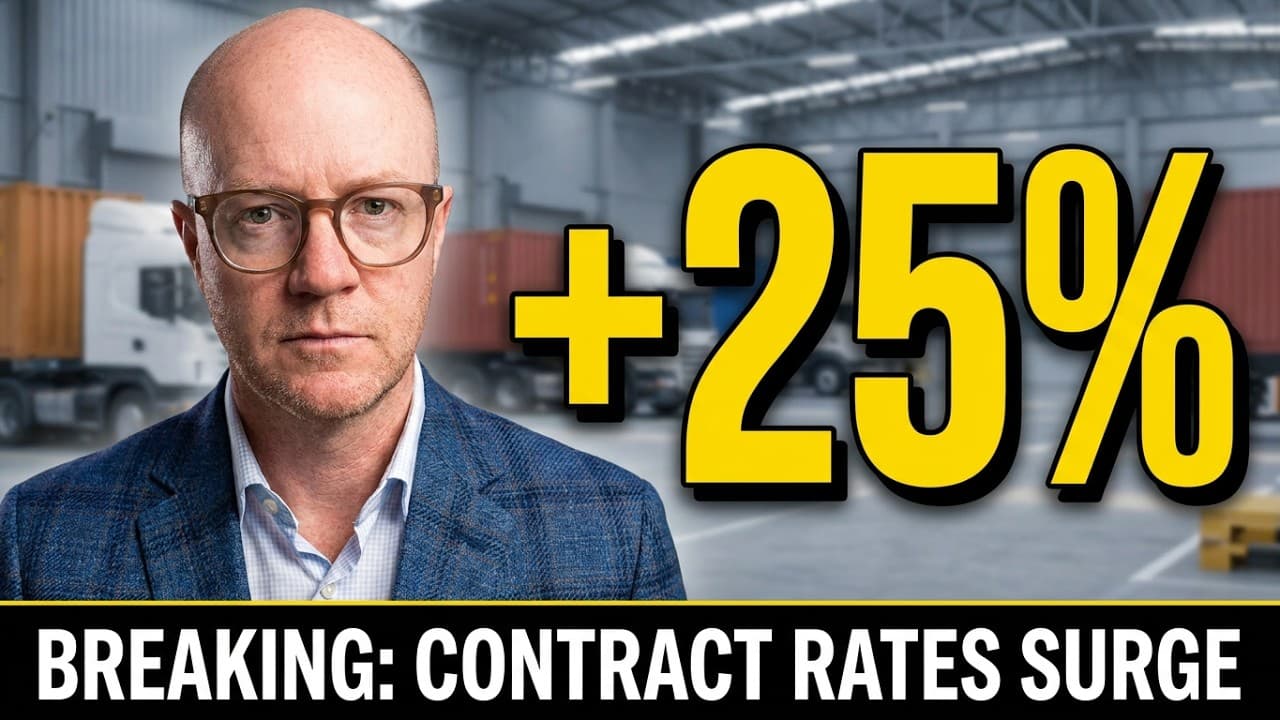
The freight transportation market is signaling mounting pressure on contract rates, with data from Sonar showing potential increases of as much as 50 cents per mile. The widening gap between spot market rates and longer-term contract pricing has reached historic proportions, reflecting fundamental shifts in industry dynamics that suggest sustained upward pressure on trucking costs.
Several factors are converging to drive this shift in the freight landscape. Regulatory compliance crackdowns, particularly around driver hours and safety requirements, are increasing operational costs for carriers. Additionally, relatively stable diesel prices are removing downward pressure on rates, while a broad industrial recovery across multiple sectors continues to fuel steady demand for transportation capacity.
The divergence between spot and contract rates underscores a market in transition, where carriers are positioning for higher long-term pricing even as spot markets experience volatility. This pattern typically indicates carrier confidence in sustained demand and reduced supply flexibility, setting the stage for contract negotiations that favor higher rates in coming renewals.