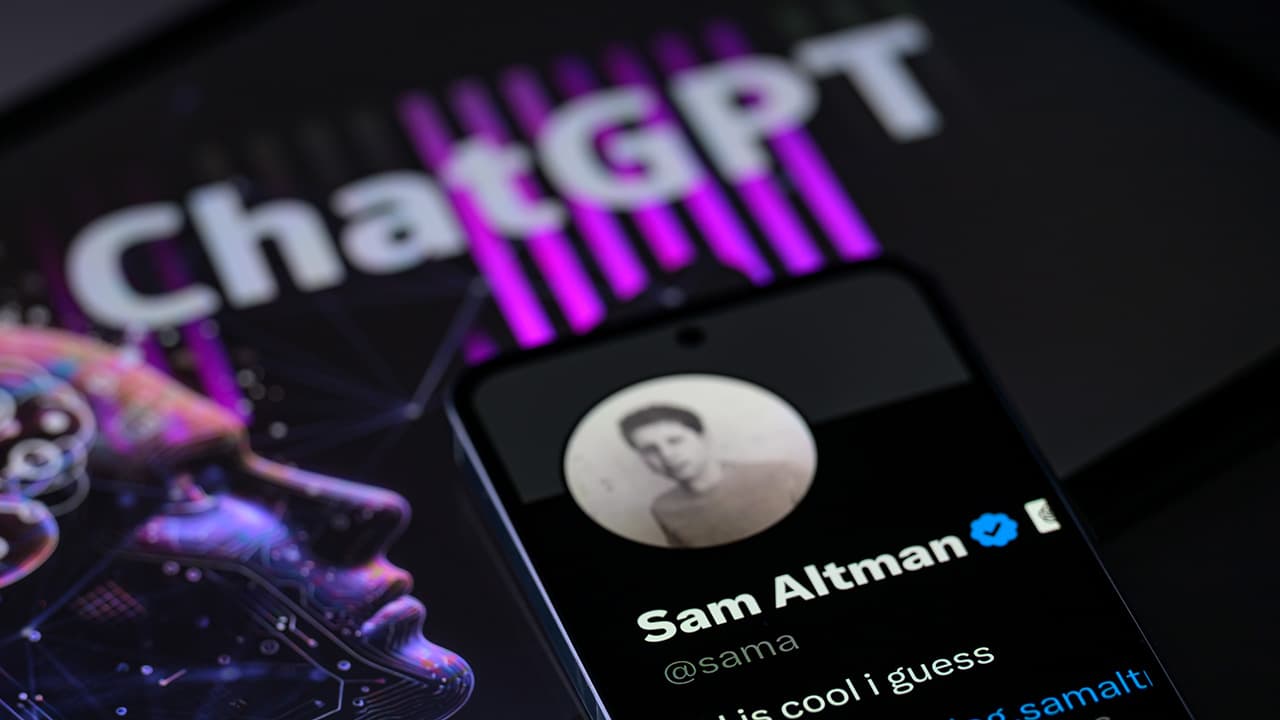
Photo via Fox5 Atlanta
Florida has filed suit against OpenAI, the company behind the popular ChatGPT artificial intelligence tool, linking the technology to two fatal shootings in the state. According to Fox5 Atlanta, the lawsuit alleges that accused shooters consulted with ChatGPT prior to carrying out their attacks. The case represents a significant moment in the evolving legal landscape surrounding AI accountability and raises critical questions about the responsibilities of AI developers.
The lawsuit reflects growing concerns among state regulators about the potential misuse of advanced AI systems. As artificial intelligence becomes increasingly integrated into everyday applications, lawmakers and legal professionals are grappling with where liability should rest when technologies are allegedly used to cause harm. This case could establish important precedent for how courts evaluate the duties of AI companies to monitor, restrict, or report potentially dangerous uses of their platforms.
For Atlanta's thriving tech community and broader Georgia business ecosystem, this litigation carries important implications. As the region continues to attract AI startups, software developers, and major tech operations, companies will need to carefully consider their legal exposure and content moderation policies. Industry leaders may face similar challenges if their platforms are implicated in harmful activities, making robust compliance and safety protocols increasingly critical.
The outcome of Florida's lawsuit could influence how AI companies across the country—including those with operations in Georgia—structure their products and policies. Technology firms may invest more heavily in content filtering, user monitoring, and safety features, while also facing potential legislative pressure for stricter regulations. Atlanta's business community should monitor this case closely as it could reshape liability standards for an entire industry.