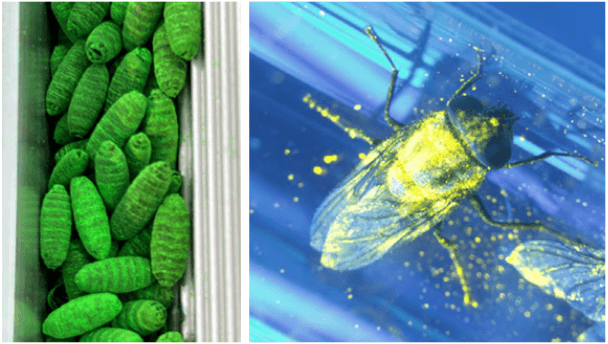
Photo via Fox5 Atlanta
Federal agricultural officials confirmed Wednesday the first documented case of New World screwworm in the United States, identified in a Texas calf. The discovery has prompted immediate emergency quarantine measures and intensified debate over federal preparedness. According to Fox5 Atlanta, the confirmation has triggered sharp political disagreement regarding the adequacy of government response protocols.
The New World screwworm is a parasitic pest that infests living tissue in livestock and wildlife, causing severe wounds and potentially fatal infections if left untreated. The pest had been eradicated from the continental United States decades ago through coordinated federal efforts, making this confirmation particularly significant for the agricultural sector.
For Georgia's livestock industry—valued at approximately $1.2 billion annually—the discovery raises immediate concerns about potential spread and economic impact. Quarantine restrictions in affected areas could disrupt regional supply chains and increase operational costs for cattle ranchers and agricultural producers throughout the Southeast.
Agricultural businesses across Georgia should monitor USDA guidance closely and implement enhanced biosecurity protocols. Industry associations and state agricultural officials are expected to issue detailed compliance requirements and prevention strategies as the federal response develops. Producers are advised to document any unusual animal wounds and maintain communication with local veterinary and agricultural extension services.