Photo via NYT Business
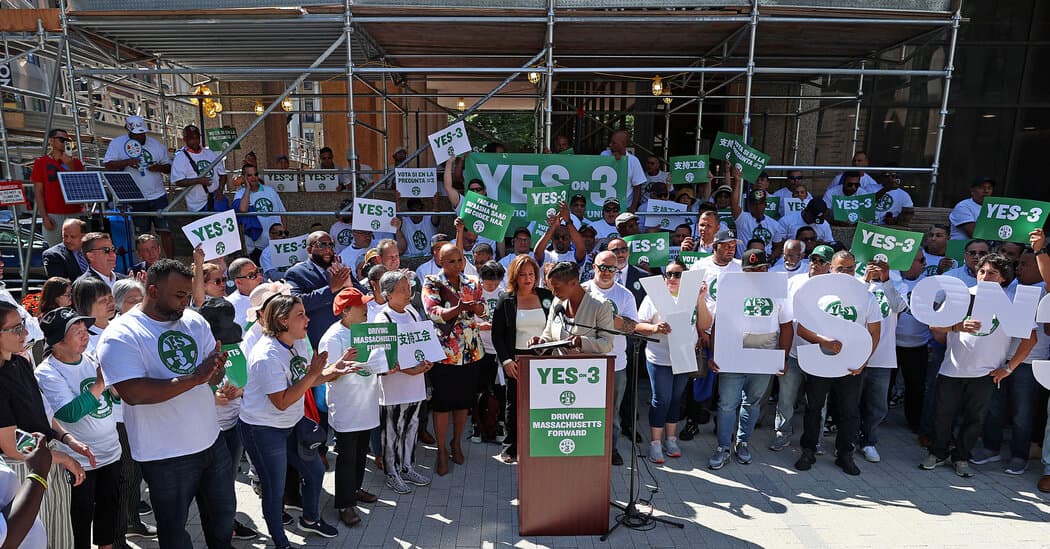
According to the New York Times, the App Drivers Union has achieved a historic milestone as the first labor organization in the United States to win formal certification representing ride-share drivers employed by major platforms like Uber and Lyft. This breakthrough follows years of organizing efforts and comes amid growing momentum in the gig economy labor movement across the country.
The certification carries significant implications for Atlanta's thriving ride-share market. With Uber and Lyft heavily embedded in metro Atlanta's transportation ecosystem, the Massachusetts precedent could inspire similar organizing efforts locally, potentially affecting how these companies operate in Georgia and the Southeast.
For Atlanta business leaders and entrepreneurs in the mobility and logistics sectors, the certification underscores ongoing tensions between gig-economy platforms and their workforce. The outcome may influence how ride-share companies structure driver relationships, compensation models, and operational policies in competitive markets like Atlanta.
As the gig economy continues reshaping Atlanta's labor landscape, stakeholders should monitor how this union certification influences future negotiations, regulatory discussions, and worker classification debates. The development signals that ride-share drivers nationwide are increasingly seeking formal representation and workplace protections, trends that could reshape the industry's operating model.