Photo via SaportaReport
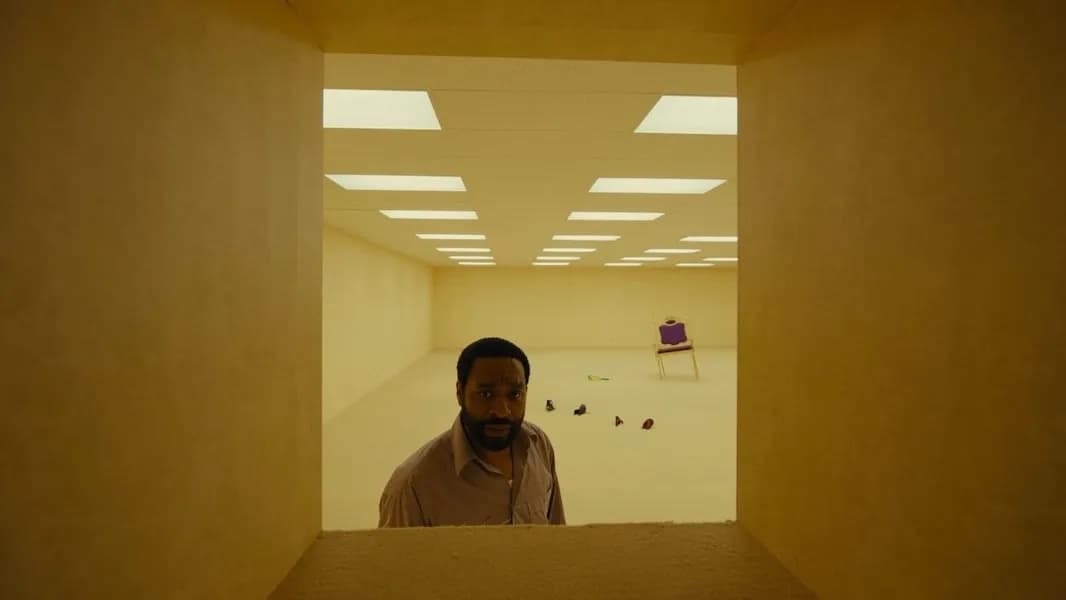
According to SaportaReport, the film 'Backrooms' taps into a growing cultural fascination with the ordinary turned unsettling. The movie explores the psychological unease that can arise from mundane commercial spaces—abandoned parking lots, vacant storefronts, and empty retail environments—when viewed through a particular lens. This theme resonates with Atlanta's ongoing retail transformation, as the city continues to grapple with shifting commercial real estate patterns and the decline of traditional brick-and-mortar retail.
The film's central premise examines how architectural banality can become sinister through prolonged observation. What appears normal at first glance—the layout of a furniture showroom, the arrangement of shopping carts—gradually reveals subtle wrongness that unsettles viewers. For Atlanta business leaders and commercial real estate professionals, this concept has real-world implications, as retailers and property developers increasingly consider how space design affects customer perception and psychological comfort.
According to the review, 'Backrooms' succeeds in its first and second acts at creating genuine disquiet through visual storytelling. However, the film encounters narrative challenges in its final act, struggling to maintain the tension it carefully builds. This structural issue reflects a common challenge in horror and thriller filmmaking: sustaining audience engagement through a coherent resolution.
The film ultimately raises broader questions about how we perceive commercial and institutional spaces in our cities. For Atlanta's business community, particularly those in retail, hospitality, and commercial development, 'Backrooms' serves as a cultural artifact worth considering—one that highlights the psychological dimensions of the spaces we design and inhabit daily.