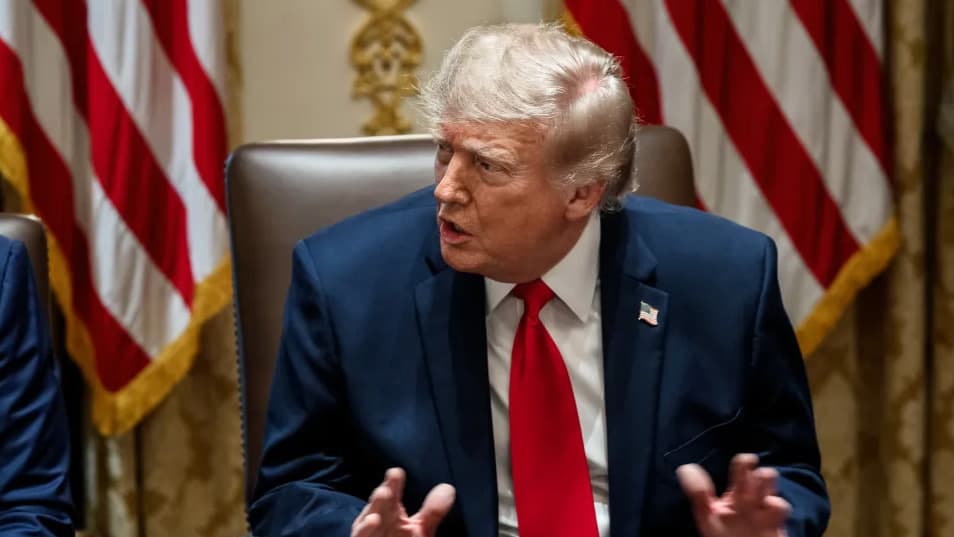
Photo via Fox5 Atlanta
President Trump signed an executive order this week designed to streamline the process for removing federal employees from their positions, marking a significant shift in how the government manages its workforce. According to Fox5 Atlanta, the directive affects approximately 8,000 federal workers and represents part of a larger initiative to restructure the federal employment system.
The move signals broader changes to job protection frameworks that have long governed federal employment. By reducing procedural barriers to termination, the administration aims to increase flexibility in personnel decisions—a shift that employment law experts say could influence how other large organizations approach workforce management and severance practices.
For Atlanta-area businesses, the policy change offers a case study in employment law evolution. Companies operating with federal contracts or competing for government talent should monitor how these changes affect recruitment pipelines and workforce stability. Human resources professionals may also need to review their own termination procedures against emerging federal standards.
The implications extend beyond Washington. Atlanta's significant federal workforce—including employees at the Social Security Administration, IRS, and other agencies headquartered or operating in the region—could experience direct impacts. Business leaders and HR departments should stay informed as implementation details emerge and consider how federal workforce trends might influence local talent markets and economic conditions.