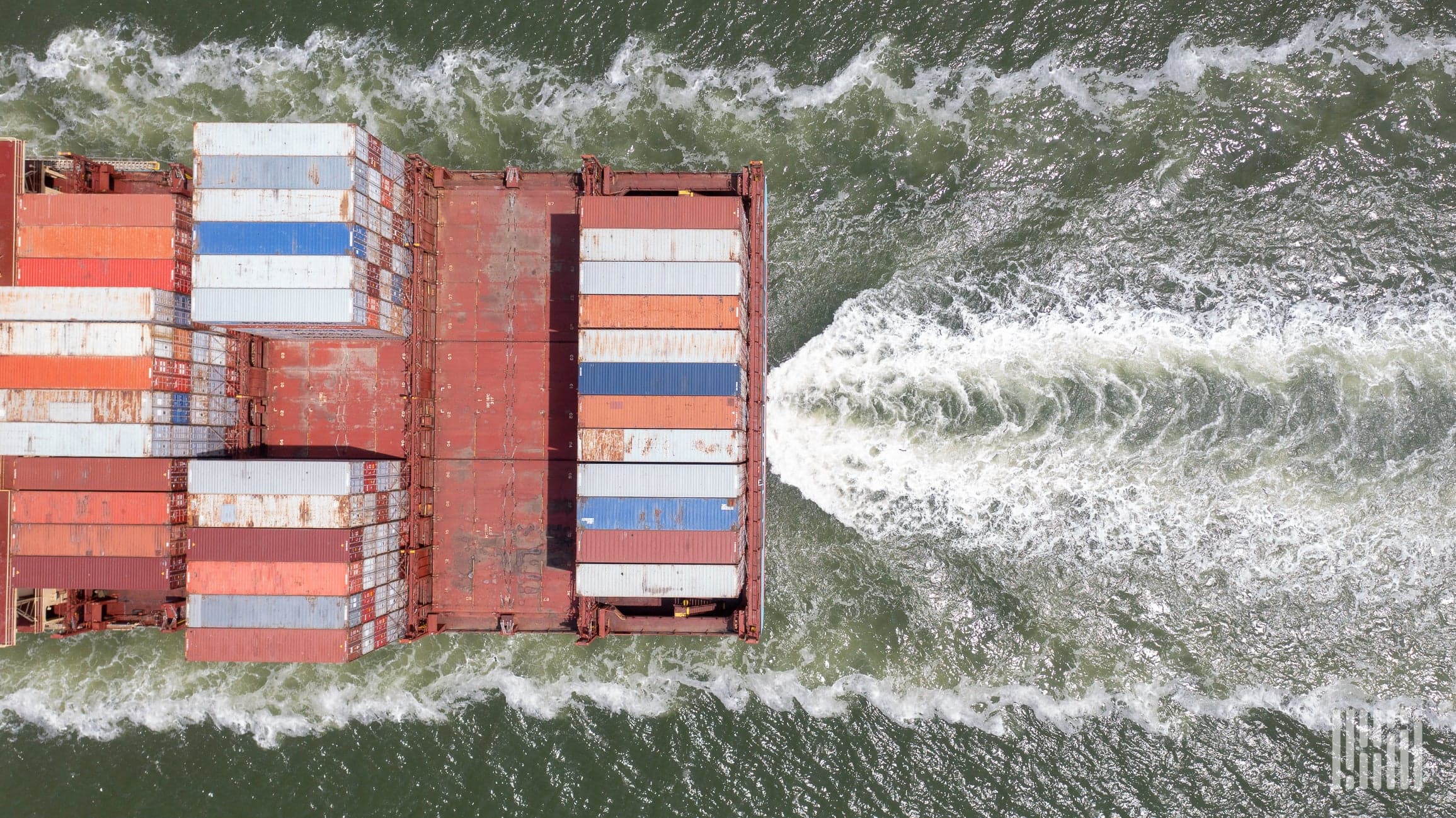
Photo via FreightWaves
The Federal Maritime Commission has sworn in a new commissioner, bringing the regulatory agency back to full strength after operating with an open seat. According to FreightWaves, the newly confirmed commissioner—another Florida native—completes the commission's leadership roster and positions the agency to tackle ongoing maritime industry challenges with its full complement of decision-makers.
For Atlanta-area businesses involved in logistics, supply chain management, and international trade, this development carries significance. The Port of Savannah, Georgia's busiest container port and a critical hub for Southeast commerce, operates under FMC oversight. With the commission now fully staffed, shippers and logistics providers can expect more consistent regulatory guidance and timely decisions on maritime matters affecting the region.
The FMC plays a crucial regulatory role in overseeing ocean freight rates, service agreements, and vessel schedules. A fully operational commission can address disputes, review carrier practices, and ensure competitive conditions in the shipping industry—issues that directly impact Atlanta-based importers, exporters, and third-party logistics providers who depend on reliable maritime transport.
As supply chain complexities persist, a fully resourced Federal Maritime Commission is better positioned to respond to industry challenges and support port operations throughout the Southeast. Businesses in Atlanta's growing logistics sector should monitor the commission's forthcoming agenda and any policy shifts that could affect shipping routes, costs, and service reliability.