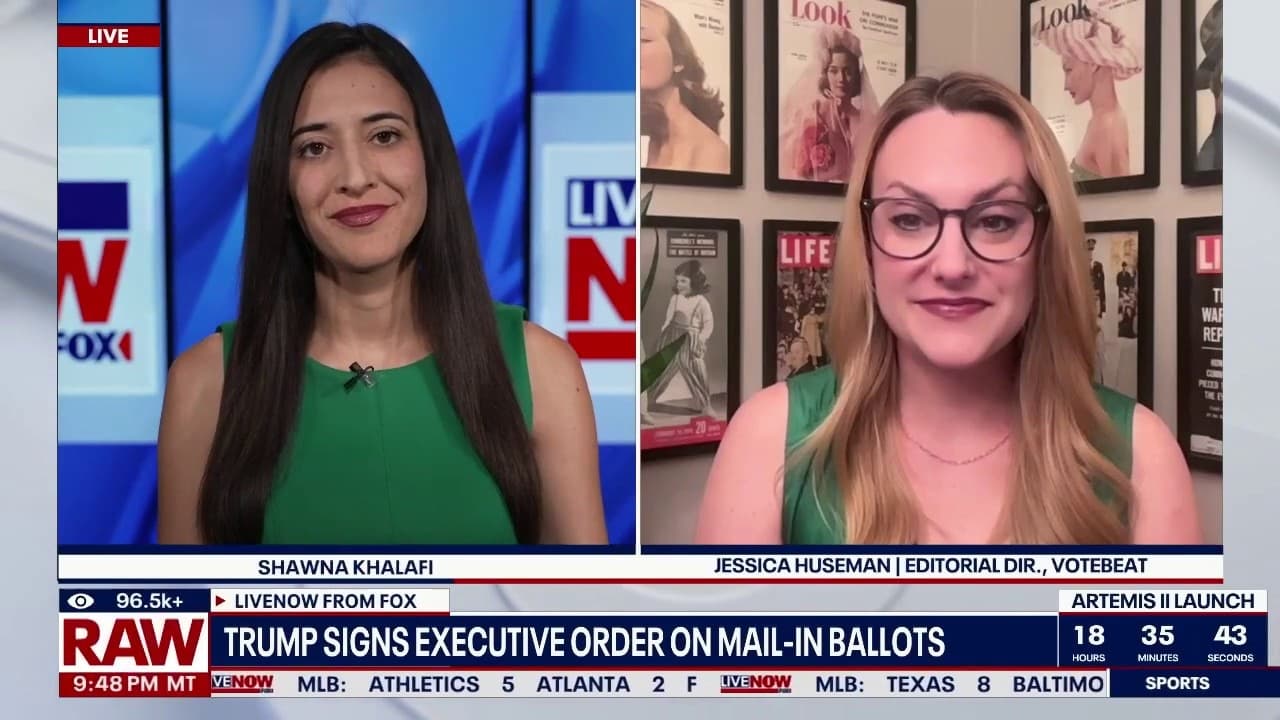
Photo via Fox5 Atlanta
A federal judge declined Thursday to issue a temporary restraining order against President Donald Trump's executive order that would restrict mail-in voting practices. According to Fox5 Atlanta, the decision allows the administration's policy to move forward without judicial intervention at this stage of litigation.
The ruling comes as Georgia—a perennial swing state with significant mail voting infrastructure—watches closely. The Peach State's elections have drawn national attention in recent cycles, and any changes to mail voting procedures could affect how Atlanta-area businesses plan operations around future election periods, particularly those with large remote workforces.
Legal experts note that while this initial ruling favors the administration, the case may face further court challenges. Georgia's business community, which includes major corporations and logistics hubs reliant on stable operational planning, will likely monitor how these voting policy shifts develop over time.
The decision underscores the ongoing tension between federal election policy and state implementations. For Atlanta business leaders and investors tracking regulatory changes, understanding the evolving landscape around voting procedures remains relevant to broader discussions about governance and business continuity planning.