
Photo via Fortune
According to Fortune, the Department of Justice's aggressive $6.8 billion enforcement push is not signaling a surge in nonprofit fraud—rather, it reflects heightened scrutiny and investigative resources dedicated to uncovering financial misconduct within the charitable sector. This distinction matters for nonprofit leaders and donors who need to understand whether the sector faces a new crisis or simply increased transparency.
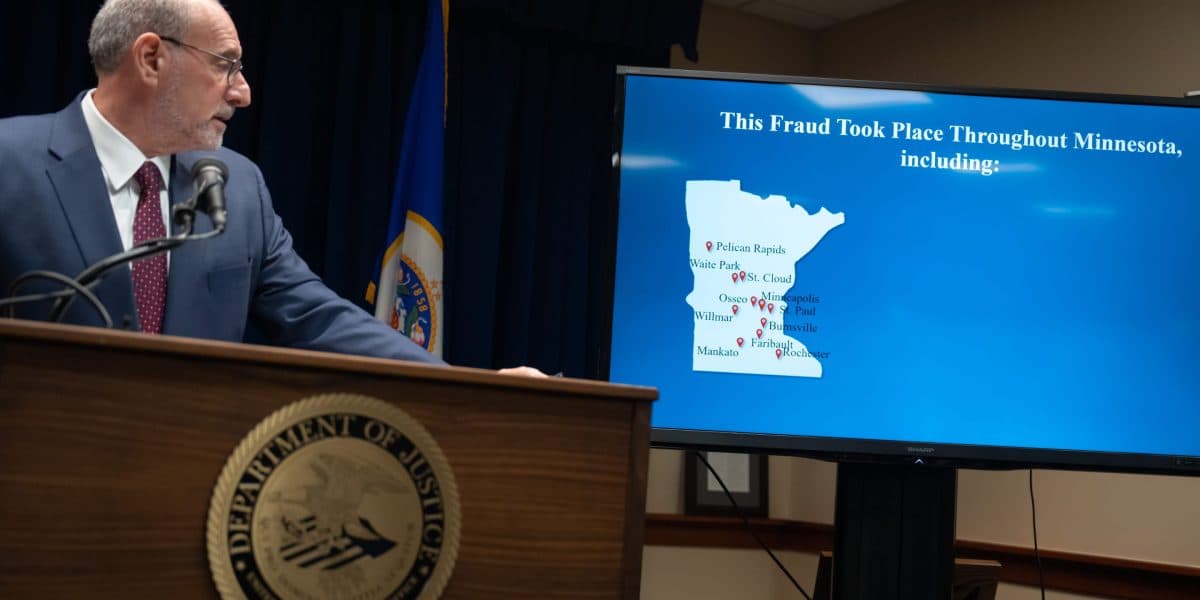
Recent high-profile cases illustrate the scope of potential wrongdoing. The Minnesota case involving $250 million in allegedly missing funds represents the type of large-scale financial breach that enforcement agencies are now equipped to detect and prosecute. For Atlanta nonprofits managing significant endowments and donor contributions, these enforcement actions serve as a cautionary tale about the importance of robust financial controls.
Atlanta's nonprofit community—which includes major institutions in healthcare, education, and social services—should pay close attention to DOJ priorities and enforcement patterns. Organizations that have implemented strong governance structures, independent audits, and transparent financial reporting practices are better positioned to withstand scrutiny and maintain donor confidence.
Board members and executive leaders in the Atlanta nonprofit sector would be wise to conduct internal audits, strengthen oversight mechanisms, and ensure compliance with federal regulations. The DOJ's enforcement push ultimately benefits legitimate charities by removing bad actors and reinforcing the integrity that donors expect when supporting local causes.