
Photo via Fast Company
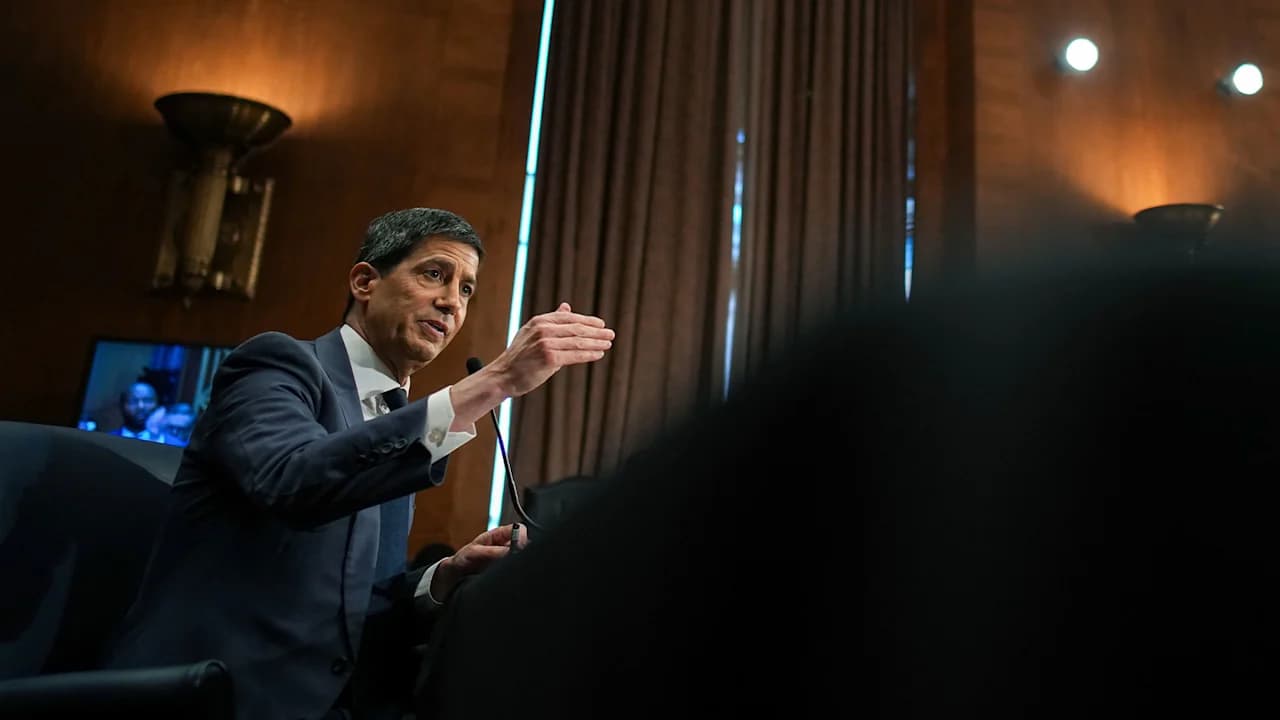
Kevin Warsh is poised to become the next chair of the Federal Reserve, wielding control over a $6.7 trillion balance sheet and setting interest rates that directly affect everything from Atlanta-area mortgage lending to grocery prices. Yet his confirmation has sparked sharp debate about whether he'll maintain the Fed's independence from political pressure or become what Senator John Kennedy colorfully termed 'the president's human sock puppet.' The tension reflects President Donald Trump's aggressive push for interest rate cuts, a position Warsh has increasingly embraced—a notable shift from his earlier career as an inflation hawk.
Warsh's background raises legitimate concerns about conflicts of interest. He spent years at Morgan Stanley and hedge fund Duquesne Capital, industries that historically favor lower inflation and higher interest rates to protect profits and stock valuations. During the 2008 financial crisis aftermath, he was a vocal skeptic of the Fed's stimulus measures. Yet in 2025, when competing for the Fed chair position, Warsh told CNBC that the central bank was wrong to hesitate on rate cuts and that 'regime change' was needed—a dramatic rhetorical reversal that has left observers questioning which version of Warsh will actually show up.
According to research cited in the analysis, Warsh's deep ties to Wall Street may paradoxically help preserve Fed independence. Former Fed Chair Jerome Powell, who also came from the financial sector, has demonstrated independence from both Trump and Biden despite his private-sector background. The theory suggests that finance professionals may be driven to resist political pressure to protect their future career prospects and relationships within the financial industry itself—essentially answering to Wall Street rather than the White House. For Atlanta businesses and investors, this distinction matters enormously, as unpredictable monetary policy undermines long-term planning.
However, risks remain. The Fed is currently rolling back post-2008 financial regulations—a deregulatory shift Warsh supports—which could prioritize Wall Street stability over systemic risk management. As global oil prices spike amid international tensions, inflation forecasts are rising, potentially forcing Warsh's hand regardless of political preferences. For Atlanta's business community, the real test will come when Warsh must choose between Trump's rate-cut demands and inflation data, revealing whether his finance background breeds independence or merely a different constituency to serve.