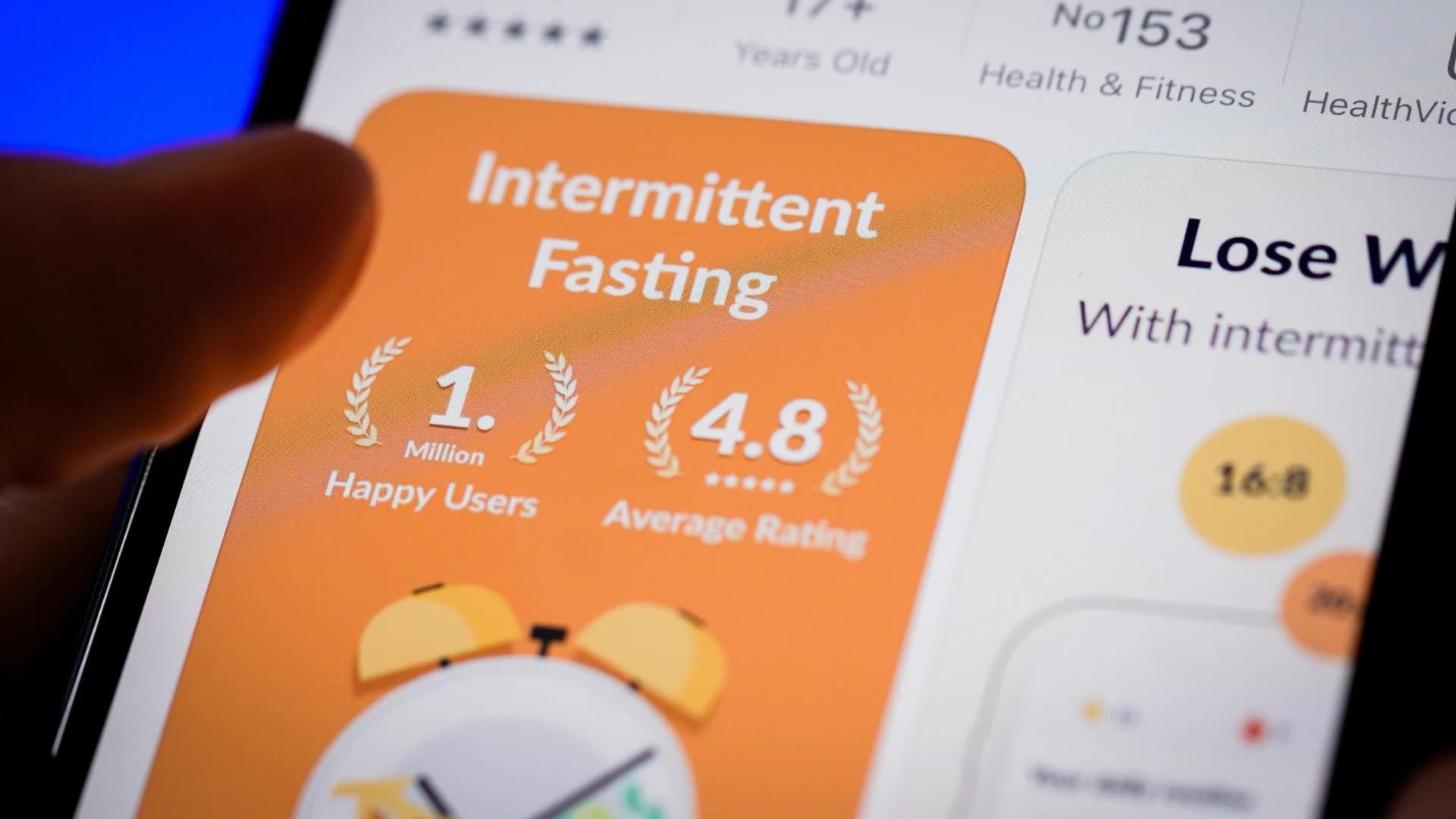
Photo via Inc.
Intermittent fasting has become increasingly popular among Atlanta's business community, with executives and entrepreneurs touting its potential to enhance mental clarity and productivity. However, according to recent scientific analysis from Inc., the reality may be more nuanced than wellness advocates suggest. The research challenges the widespread assumption that skipping meals can reliably boost brainpower, leaving professionals to reassess whether this dietary approach aligns with their performance goals.
The gap between marketing claims and scientific evidence is significant. While some proponents argue that fasting triggers mental clarity and reduces brain fog, researchers have found the connection less straightforward than popular wellness culture suggests. For Atlanta business leaders managing demanding schedules and critical decision-making responsibilities, understanding this distinction is crucial before adopting any practice that could affect cognitive performance.
The implications extend beyond individual health choices. Companies in Atlanta's thriving startup and corporate sectors increasingly invest in employee wellness programs and flexible work arrangements tied to biohacking trends like intermittent fasting. Before implementing workplace initiatives based on unproven cognitive benefits, business leaders should demand rigorous evidence rather than relying on anecdotal success stories.
For Atlanta professionals considering intermittent fasting, the takeaway is straightforward: approach the trend with healthy skepticism. While fasting may offer other health benefits worth exploring with medical professionals, the promised mental performance gains shouldn't drive workplace wellness decisions. Instead, executives should focus on evidence-based practices—adequate sleep, regular exercise, and consistent nutrition—that demonstrably support sustained cognitive function.