
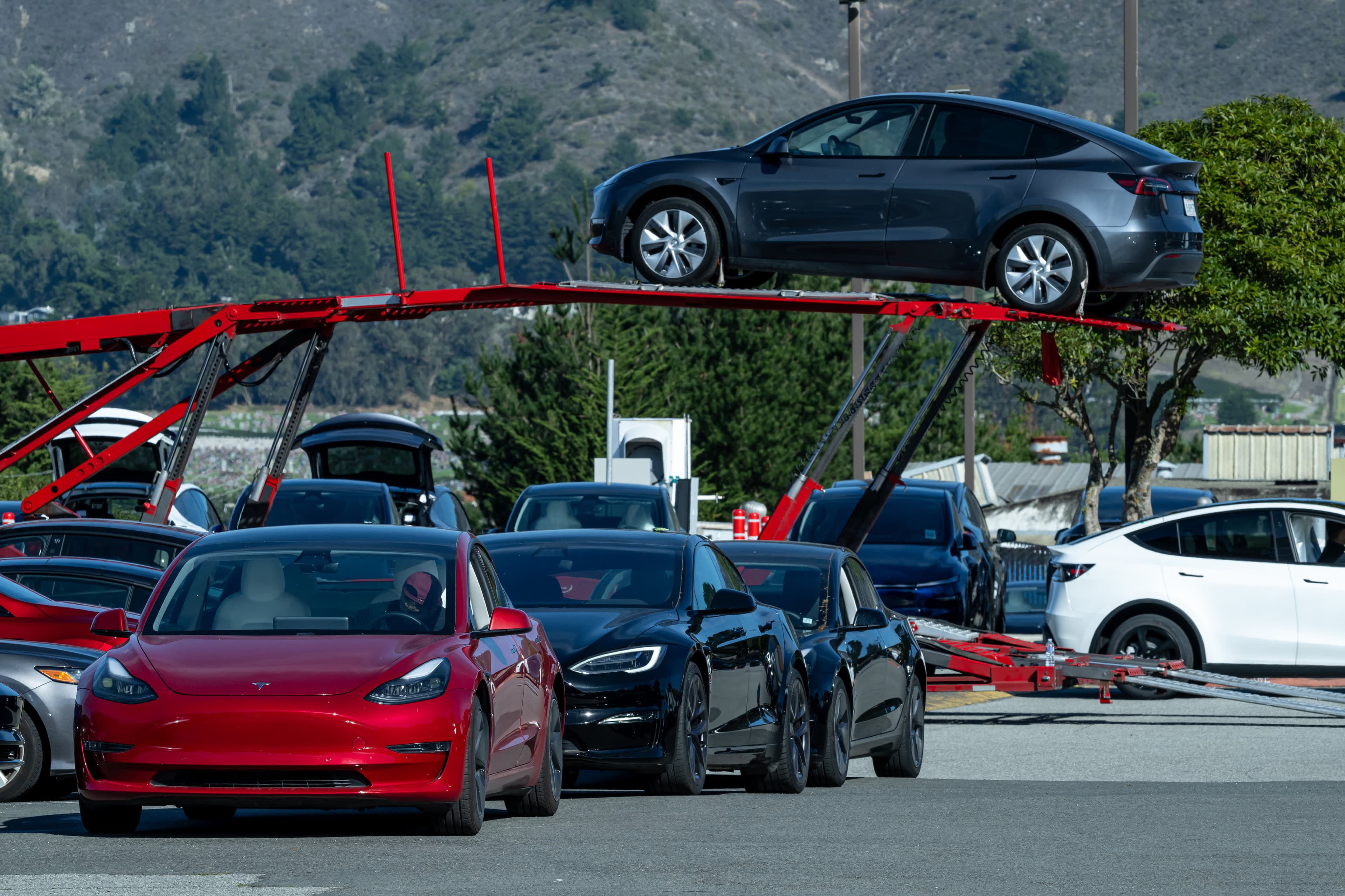
Photo via CNBC Business
Consumer interest in electric vehicles continues to rise across the nation, with trade-in data from automotive research firm Edmunds indicating a noticeable shift in buyer preferences. According to the data, fuel price spikes are serving as a primary catalyst for EV consideration among car buyers evaluating their next purchase. For Atlanta's competitive automotive retail market, this trend reflects broader patterns in consumer decision-making tied to operational costs.
The transition to electric vehicles, however, presents a more complicated picture than simple fuel economics. While rising gas prices create urgency around fuel efficiency, several countervailing factors continue to temper overall EV demand. These headwinds include concerns about charging infrastructure availability, battery costs, vehicle pricing, and the lingering perception of limited range—issues that disproportionately affect buyers in regions with less developed EV ecosystems.
Georgia's automotive industry and dealership community are navigating this shifting landscape as consumer preferences evolve. For Atlanta-based retailers and service providers, understanding the nuanced motivations behind EV consideration is critical to serving customers effectively. Dealerships must balance inventory strategy between traditional and electric powertrains while educating buyers on the total cost of ownership beyond fuel savings.
As automakers and policymakers work to address remaining barriers to widespread EV adoption, Atlanta business leaders in retail, logistics, and related sectors should monitor how this transition shapes consumer behavior and operational requirements. The coming years will likely determine whether fuel price sensitivity alone can drive sustained EV market growth, or if structural obstacles must first be resolved to achieve deeper penetration in the regional market.