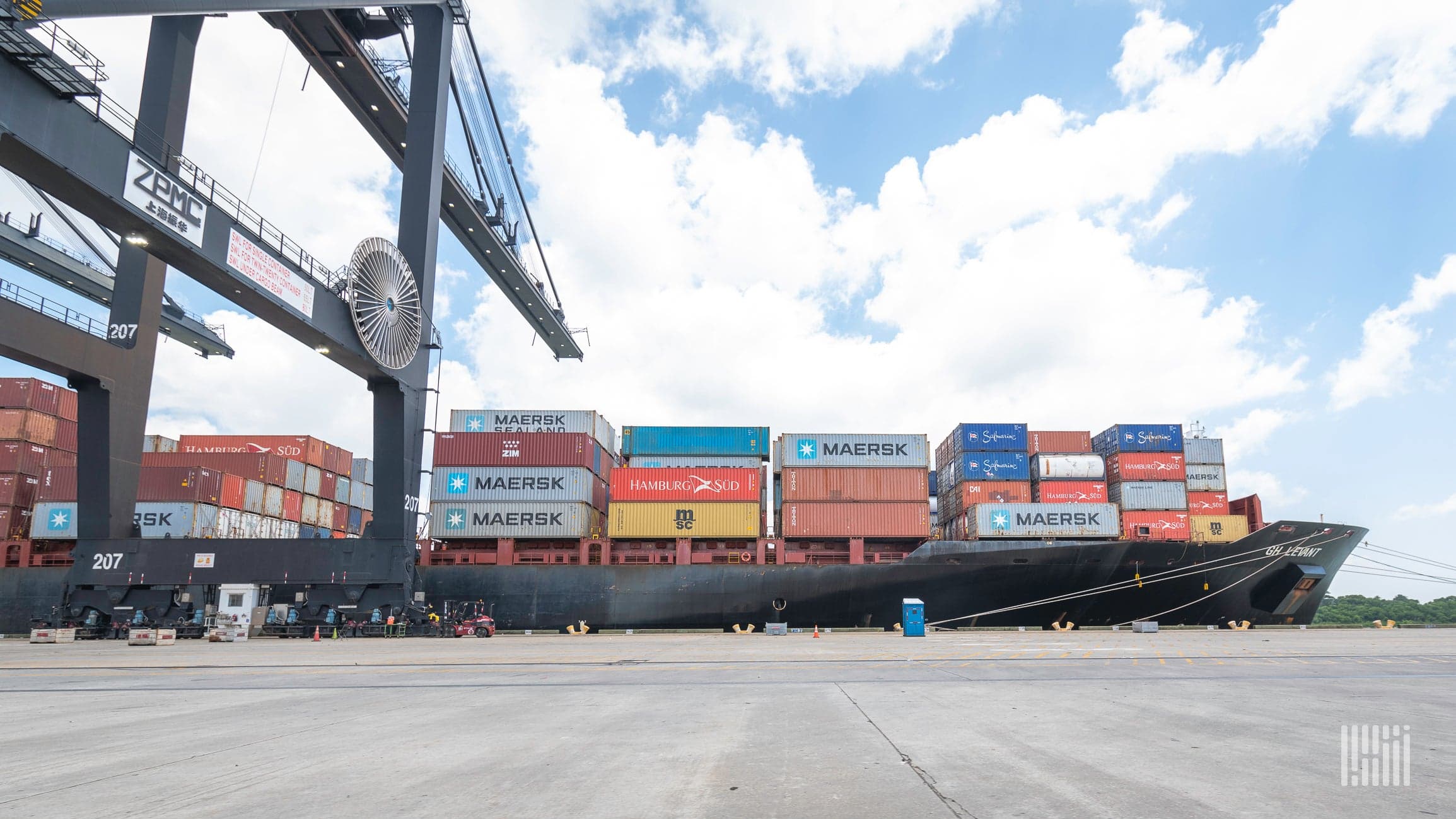
European policymakers are moving closer to implementing trade restrictions against Chinese goods as affordable imports continue to undercut the continent's manufacturing base. According to reporting from the New York Times, this emerging conflict represents a significant shift in global commerce that could have ripple effects across the Atlantic, including impacts on Atlanta-based companies involved in international trade and logistics.
The core tension stems from a flood of inexpensive Chinese products entering European markets, which has created competitive pressure on traditional manufacturing sectors across the continent. For Atlanta's growing logistics and distribution hub—which serves as a gateway for goods moving between Asia, Europe, and North America—this escalation could alter routing decisions and inventory strategies. Companies relying on established trade patterns may need to reassess their European operations and sourcing models.
The urgency to find solutions reflects broader economic anxieties among European leaders who fear the loss of manufacturing capacity and jobs. This mirrors concerns that have resonated with American business leaders, including those in Georgia's industrial sector. If trade barriers rise, Atlanta-based companies with European operations or supply chains dependent on frictionless cross-Atlantic commerce could face new tariffs and regulatory challenges.
The situation remains fluid, but the trajectory suggests a potential reshaping of global trade relationships. Atlanta business leaders should monitor developments closely, particularly those in manufacturing, retail distribution, and international freight services, as new trade policies could create both competitive pressures and opportunities in coming months.