Photo via FreightWaves
The Environmental Protection Agency has rolled out stricter nitrogen oxide (NOx) emissions standards for heavy-duty trucks, marking a regulatory shift aimed at reducing air pollution from commercial vehicles. According to FreightWaves, the new rule establishes tighter compliance thresholds that manufacturers and fleet operators must meet. While the environmental benefits of lower NOx output are well-documented, the financial implications are substantial, with industry sources indicating that new truck prices could climb by as much as $25,000 per unit to meet the revised specifications.
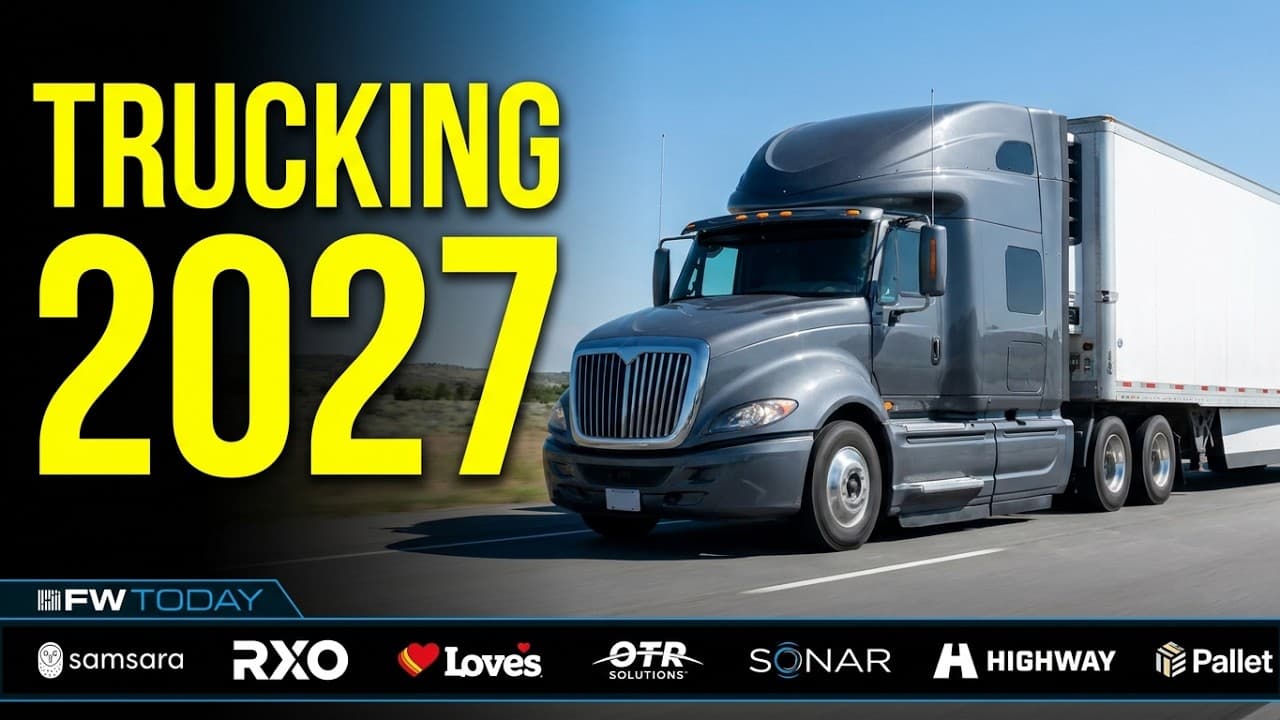
The compliance timeline centered around 2027 is already generating discussion within the trucking sector about fleet acquisition strategies. Industry analysts expect a wave of pre-buys in advance of the rule's full implementation, as fleet operators seek to acquire vehicles under existing standards before costs escalate. However, questions remain about whether such purchasing behavior will provide meaningful long-term relief or simply shift expenses across a compressed timeline.
Stakeholders are actively assessing the broader economic impact of the regulation on transportation costs, carrier profitability, and ultimately consumer prices for goods shipped by truck. The debate between environmental compliance and operational economics continues to shape how the trucking industry will navigate this regulatory transition.