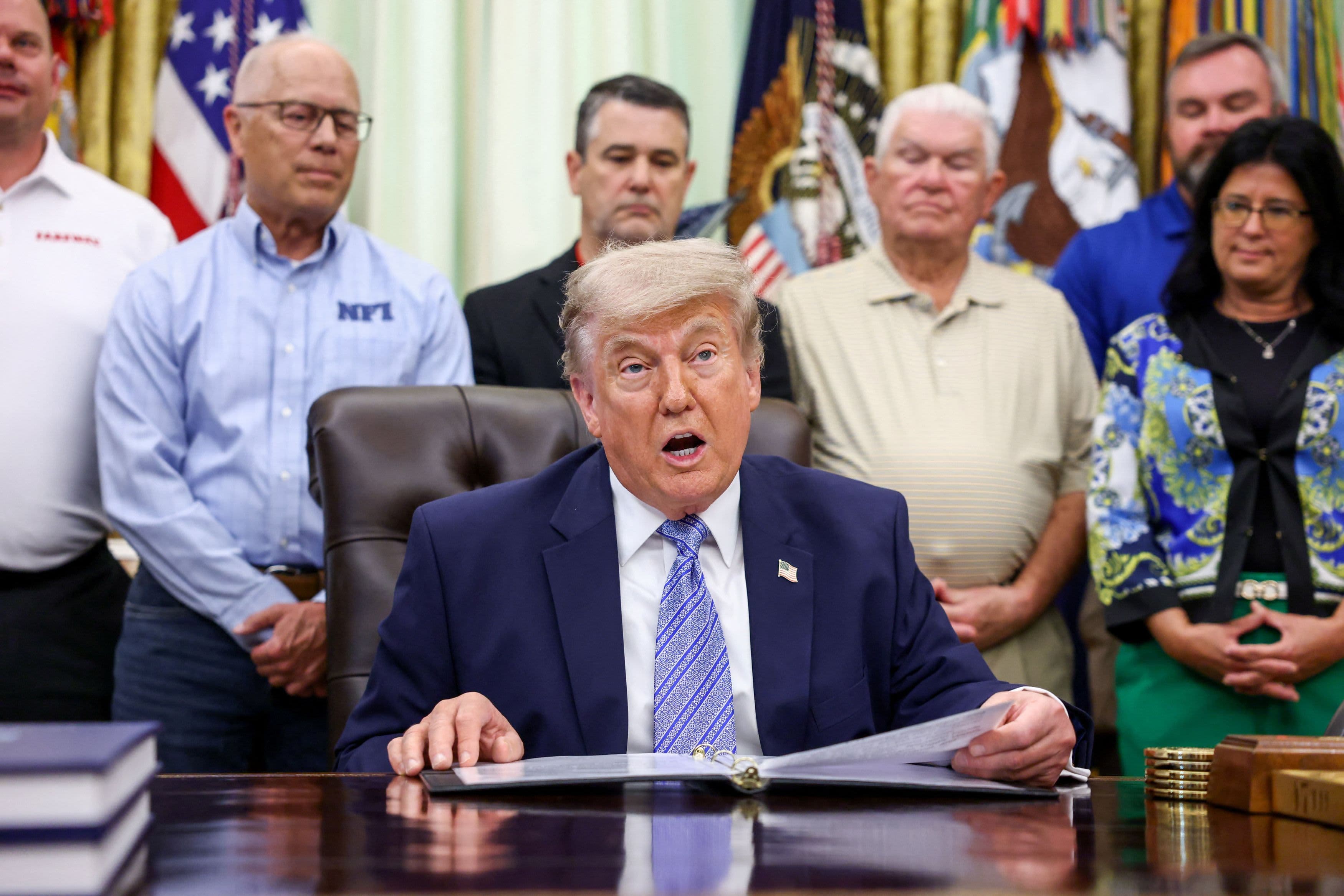
Photo via CNBC Business
The Trump administration has delayed implementation of Environmental Protection Agency refrigerant rules originally issued during the Biden presidency, citing potential cost savings at the grocery store checkout. According to CNBC Business, officials argue that postponing these regulations will ease financial burdens on food retailers and ultimately benefit consumers through lower prices. However, the actual impact on pricing structures remains far from certain.
Atlanta-area grocery operators—including regional chains and national retailers with significant Georgia presence—may face different compliance timelines and operational adjustments depending on how long the delay extends. The refrigerant rules in question primarily affect the cooling systems used in supermarket display cases and storage facilities, which represent substantial capital investments for retailers managing thin profit margins in a competitive sector.
Industry analysts express skepticism about direct consumer savings. While compliance costs do factor into operational budgets, the relationship between regulatory expenses and shelf prices involves multiple variables including supply chain dynamics, labor costs, and competition. Grocers may absorb some savings rather than pass them directly to consumers, particularly in markets with aggressive price competition.
For Atlanta business leaders in retail and food distribution, the delay creates planning uncertainty. Companies must evaluate whether to proceed with compliance investments or wait for potential regulatory clarity. Industry groups continue advocating for definitive timelines, as prolonged ambiguity makes long-term capital budgeting difficult for Georgia's food retail sector.