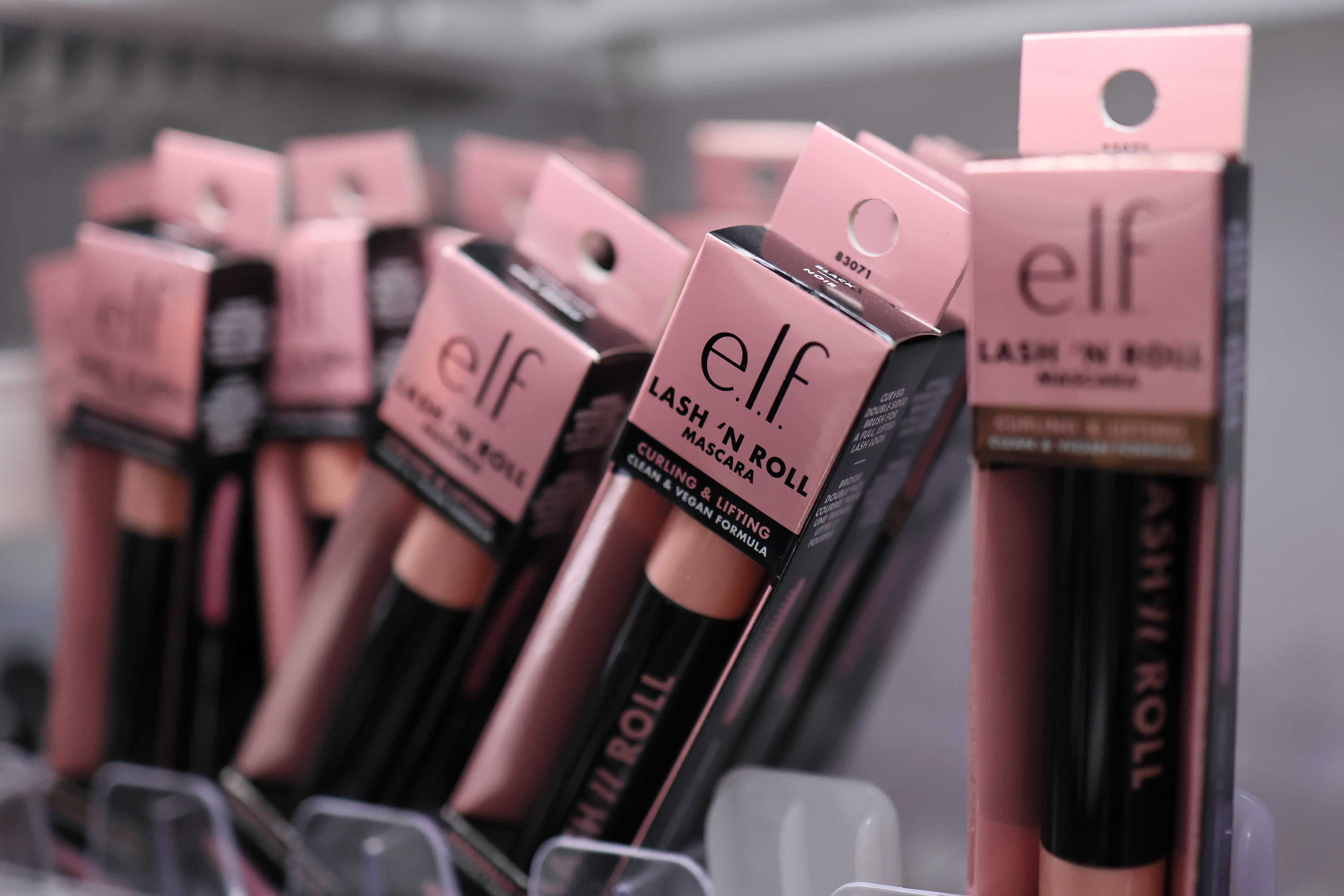
Photo via CNBC Business
E.l.f. Beauty, a major player in the accessible cosmetics space, is retreating from tariff-related price increases implemented last August, according to CNBC Business. The company had raised prices by approximately $1 across its product line to absorb the costs of increased tariffs, but is now recalibrating its pricing strategy as consumer demand shows signs of weakness.
The pullback reflects mounting economic headwinds facing American shoppers. With elevated gas prices, inflation concerns, and broader financial stress weighing on household budgets, consumers are becoming more price-sensitive—particularly in discretionary categories like cosmetics. E.l.f. Beauty's decision suggests the company believes maintaining volume and customer loyalty outweighs the margin protection that higher prices provided.
For Atlanta-area retailers and consumer goods companies, E.l.f. Beauty's move offers a cautionary lesson about pricing power in uncertain economic times. Georgia's retail sector, home to numerous distribution hubs and consumer brands, faces similar pressures as supply chain costs and tariff exposure create competing demands for margin management and competitive positioning.
The company's reversal underscores a broader trend: retailers across sectors are navigating the delicate balance between protecting profitability and responding to consumer pullback. As businesses reassess their tariff-mitigation strategies heading into 2024, pricing decisions will likely remain a critical flashpoint for retail performance and market share.