Photo via Fast Company
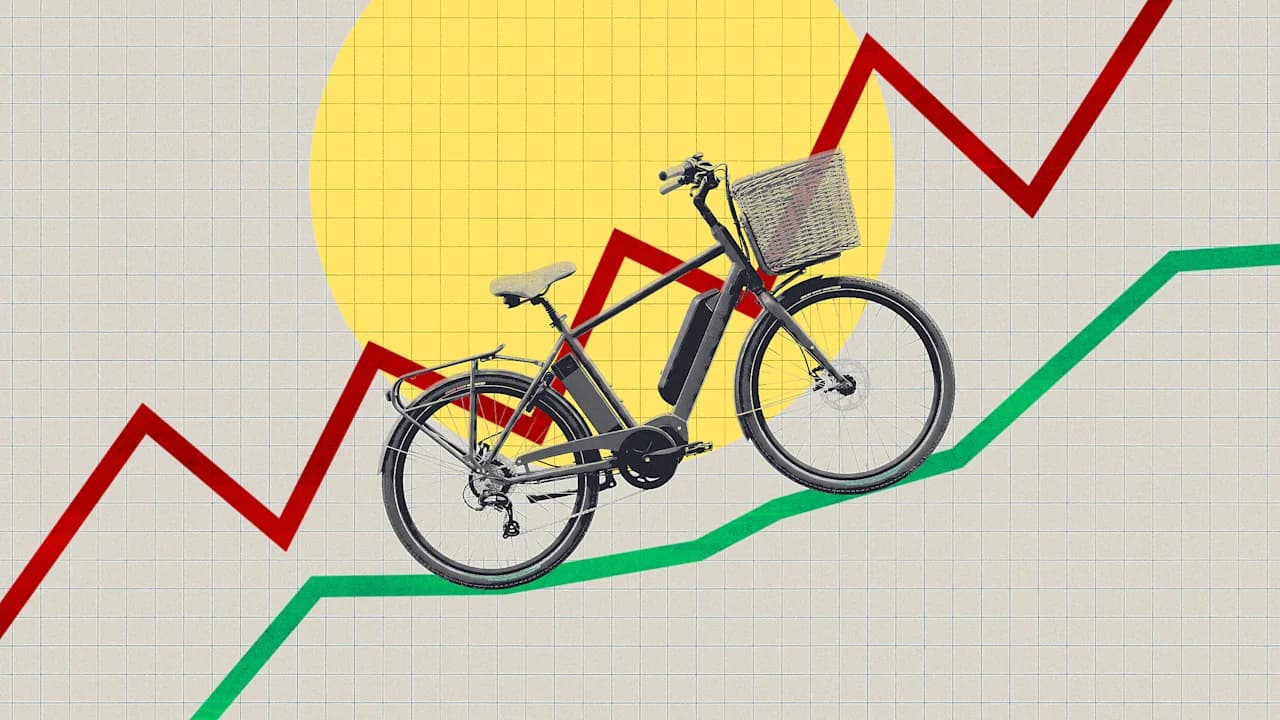
Soaring gas prices are forcing American businesses to rethink workplace transportation benefits. According to Gartner, average daily commuting costs have jumped 11% to $17.17 per day, prompting employers to explore alternatives that ease financial pressure on workers while boosting sustainability. E-bike and scooter subscription services are emerging as a practical solution, with companies like Amazon, Google, and Axon already partnering with providers such as Ridepanda to offer subsidized micromobility options to their workforce.
Ridepanda, a micromobility subscription platform, has experienced explosive growth tied directly to fuel price increases. The company reported a 46% surge in subscribers since March and a 94% year-over-year increase, with April marking a record month for new sign-ups. CEO Chinmay Malaviya notes that cost has become a top driver of adoption, alongside sustainability and health benefits. Most new subscribers are first-time micromobility users, suggesting companies can successfully convert car commuters when economic incentives align with employer support.
For Atlanta-area businesses managing urban congestion and parking constraints, the model offers clear advantages. University of Washington's transportation manager Braden Kelley reports that Ridepanda subscriptions—starting at $45 monthly for standard options and including insurance and helmets—can be fully employer-subsidized. The flexibility of offerings, from foldable scooters to cargo e-bikes, accommodates diverse commuting needs. Companies in transit-rich markets like Atlanta can leverage these partnerships to reduce single-occupancy vehicle rates while improving employee wellness and morale.
Long-term economic trends suggest this shift will accelerate beyond the current energy crisis. With gas prices potentially elevated through 2027, businesses that adopt micromobility perks now position themselves as both cost-conscious and forward-thinking employers. Data collection from these partnerships will help organizations understand commuting behavior changes and measure success against sustainability goals. For Atlanta employers seeking competitive advantages in talent retention, e-bike subsidies represent a low-complexity, high-impact workplace benefit worth evaluating.