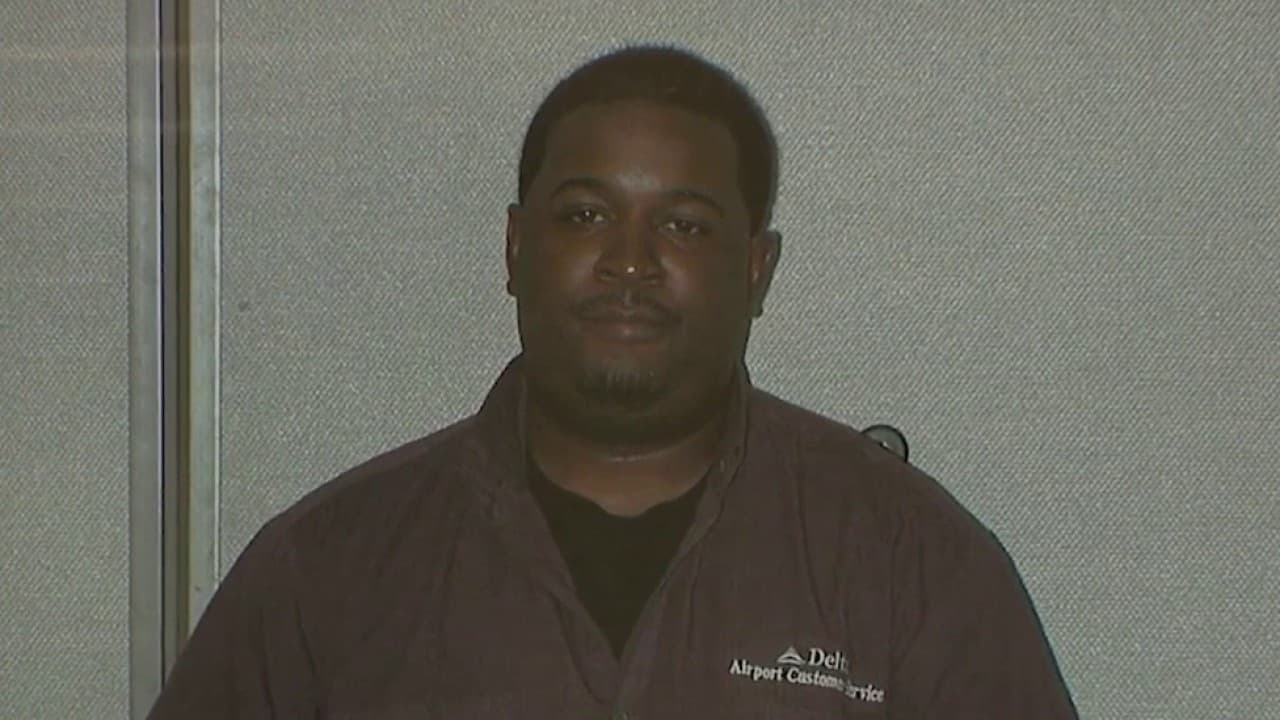
Photo via Fox5 Atlanta
Brandon Pugh walked free this week after spending 16 years behind bars for an armed bank robbery he did not commit. According to reporting from Fox5 Atlanta, Douglas County District Attorney Dahlia Racine secured his total exoneration, marking a significant victory for criminal justice advocates in the metro Atlanta region.
The case highlights systemic vulnerabilities in how armed robbery convictions are prosecuted and reviewed in Georgia. Wrongful convictions carry substantial costs—both human and financial—for individuals, families, and the communities where they occur. For Atlanta-area businesses and civic leaders, such cases underscore the importance of supporting robust legal review processes and conviction integrity units.
District Attorney Racine's decision to pursue Pugh's exoneration demonstrates how prosecutorial leadership can help correct past errors within the criminal justice system. Her office's willingness to revisit the case and secure his release reflects a growing national trend toward reviewing potentially flawed convictions, particularly in high-stakes cases involving serious felonies.
As Georgia continues to evolve its approach to criminal justice, cases like Pugh's serve as reminders of the need for continued oversight, technological advances in forensic evidence analysis, and institutional commitments to fairness. For Atlanta's business community, supporting these systemic improvements contributes to a more equitable and trustworthy legal environment.