Photo via FreightWaves
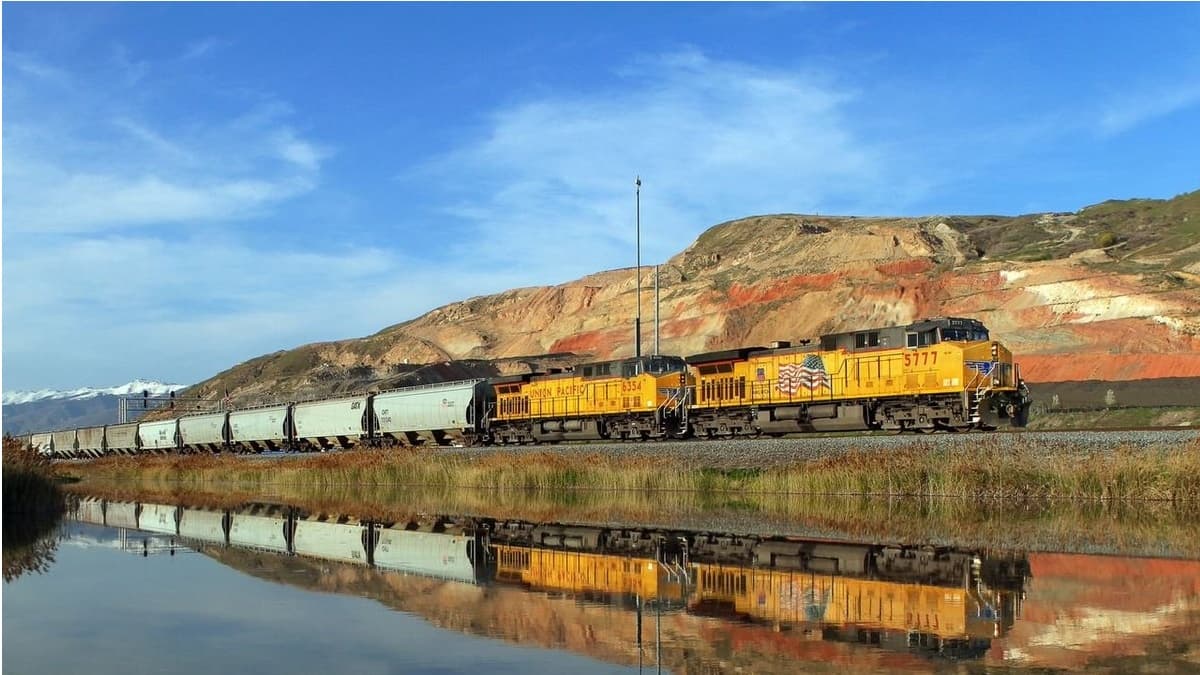
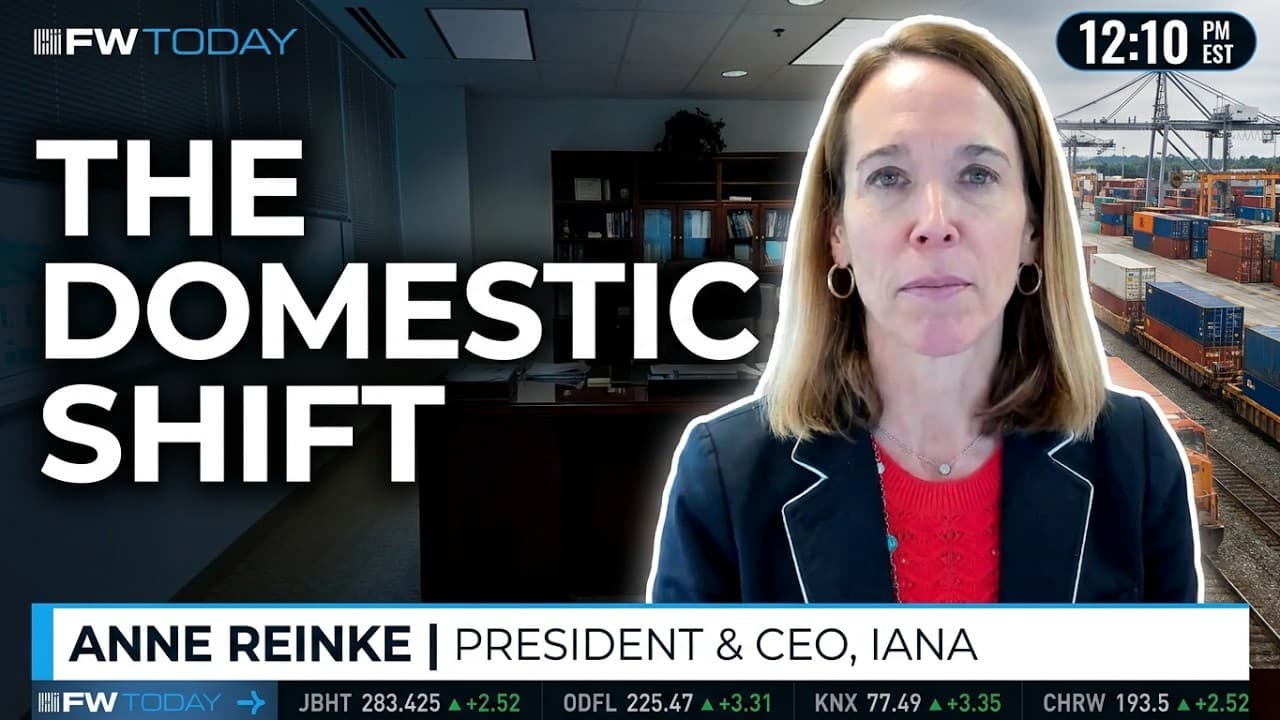
Intermodal transportation volumes are experiencing a notable uptick, but the composition of growth has undergone a significant shift. According to Anne Reinke, President and CEO of the Intermodal Association of North America (IANA), the expansion is increasingly anchored by domestic freight rather than international trade lanes. This marks a departure from traditional intermodal patterns and reflects changing dynamics in how shippers are routing cargo through the supply chain.
The resilience of the domestic intermodal sector appears tied to structural advantages that differentiate it from more volatile segments. Long-term contracts and supply-side factors are providing a buffer against market fluctuations, creating what industry participants describe as a straightforward solution for freight movement. Shippers appear to be embracing intermodal as a more predictable and cost-effective option for moving goods domestically, even as broader economic conditions remain uncertain.
The transition toward domestic-focused intermodal growth underscores evolving supply chain preferences among U.S. logistics operators. With capacity constraints and rate pressures affecting various transport modes, intermodal's flexibility and established infrastructure are positioning it as an increasingly attractive alternative for carriers and shippers seeking operational stability in an otherwise uncertain freight market.