
Photo via Mish Talk
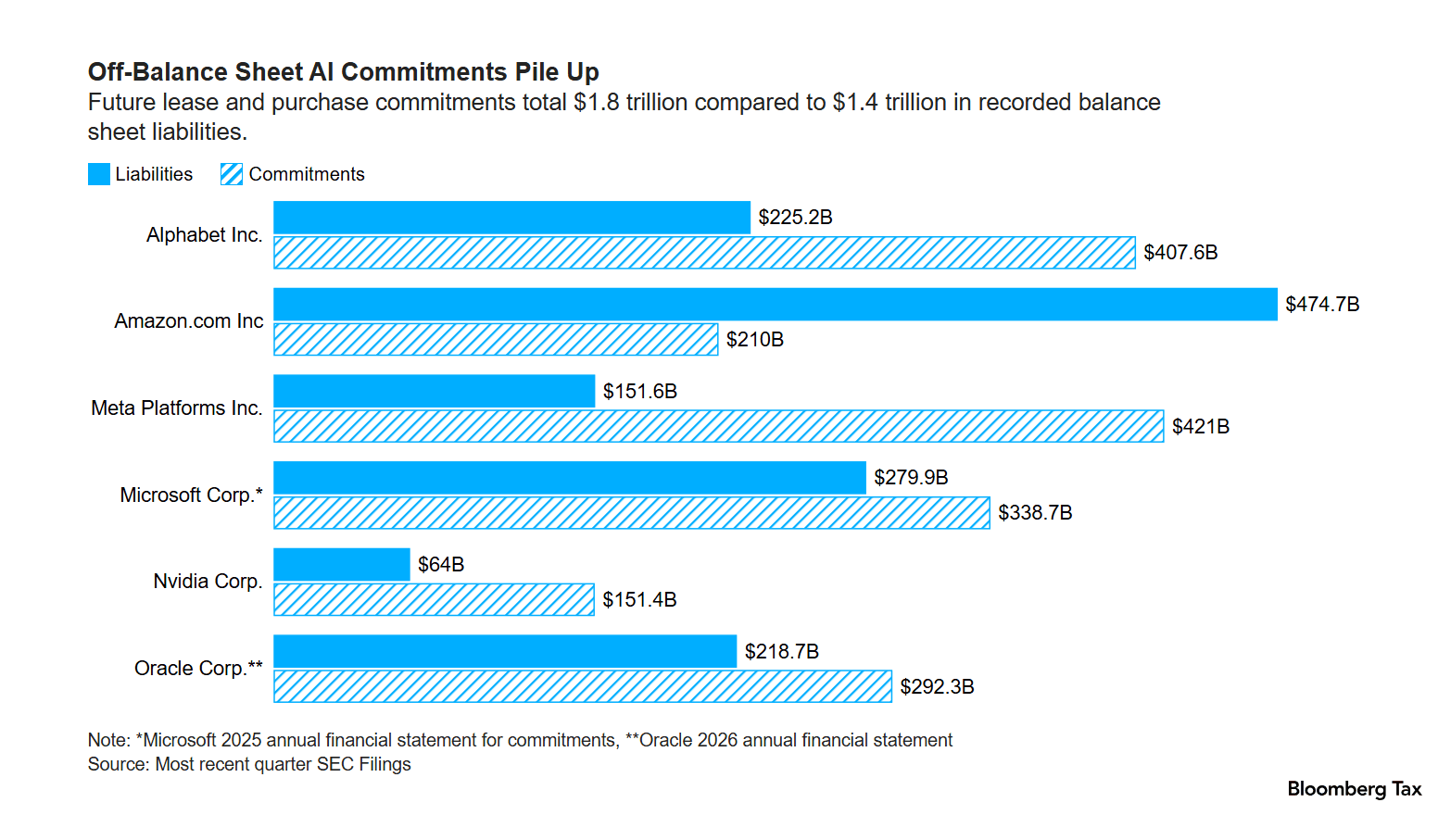
According to recent analysis, companies have accumulated approximately $1.8 trillion in artificial intelligence-related debt positioned off their balance sheets, surpassing the $1.4 trillion in AI obligations that appear in standard financial reporting. This discrepancy between reported and unreported AI investments has drawn comparisons to accounting practices that preceded major corporate collapses, raising fresh concerns about the completeness of corporate financial disclosures in the age of rapid technology deployment.
The magnitude of hidden AI liabilities suggests that investors may not have full visibility into the true financial commitments major corporations have made toward artificial intelligence infrastructure and development. As companies race to deploy AI capabilities and compete in emerging technological markets, the pressure to maintain attractive balance sheets may be incentivizing the use of off-balance sheet financing structures that obscure the actual scope of these investments.
Financial regulators and accounting standards bodies face mounting pressure to clarify disclosure requirements around AI-related expenditures and liabilities. Transparency in how companies finance and account for artificial intelligence investments has become increasingly critical as these technologies represent a growing portion of corporate capital allocation and represent significant strategic bets on future competitiveness.