
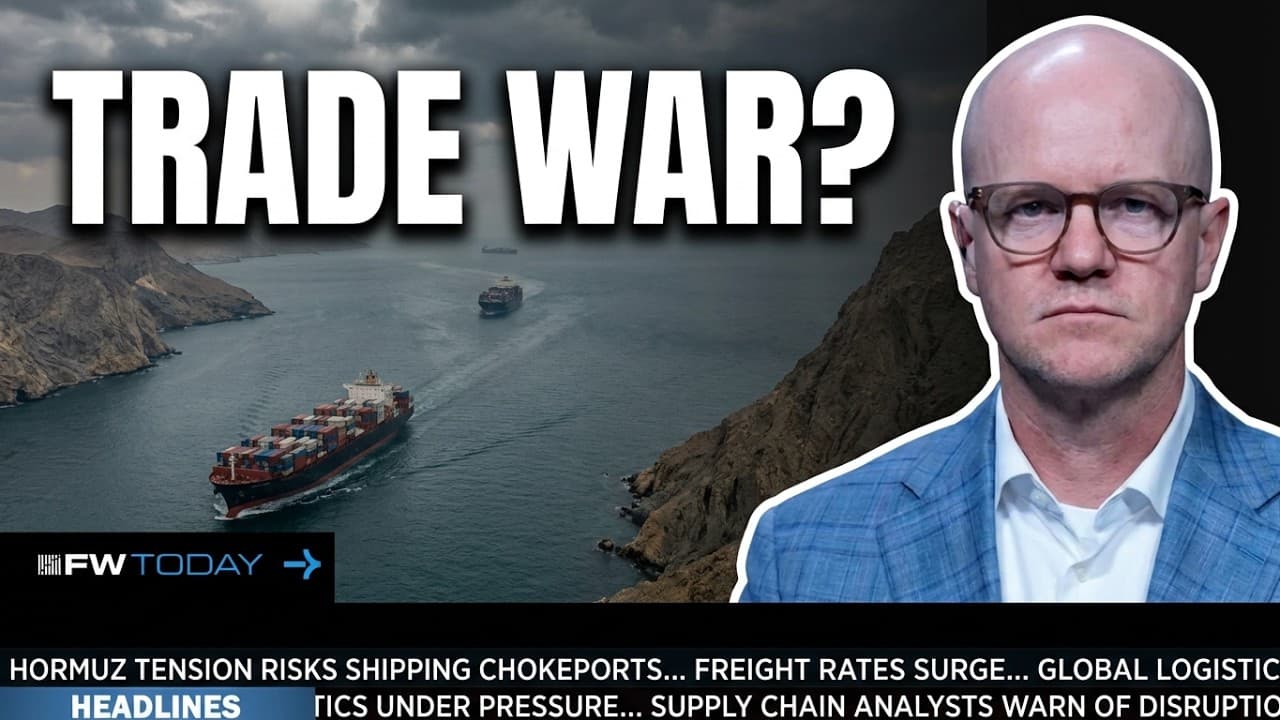
Photo via FreightWaves
Diesel prices are experiencing notable upward pressure as geopolitical tensions surrounding the Strait of Hormuz threaten global energy supply flows. According to FreightWaves, recent Department of Energy data and crude oil futures movements reflect growing market volatility tied to disruptions in one of the world's most critical shipping passages. The convergence of supply constraints and heightened geopolitical risk is creating headwinds for energy-dependent industries across the economy.
The trucking and transportation sector faces particular exposure to these dynamics. Diesel represents a significant operating cost for freight haulers, and sustained price increases directly impact profit margins and ultimately consumer prices for goods shipped across the nation. Compounding these pressures, the trucking industry has simultaneously experienced substantial wage growth—with driver compensation surging approximately 70 percent since 2020—reflecting tight labor markets and increased competition for qualified personnel.
Industry analysts emphasize that the combined effect of elevated fuel costs and labor expenses presents a complicated outlook for logistics providers. Companies must navigate the dual challenge of managing volatile energy prices while maintaining competitive compensation to attract and retain skilled drivers, a balancing act that will likely reverberate through supply chains nationwide.