Photo via Fast Company
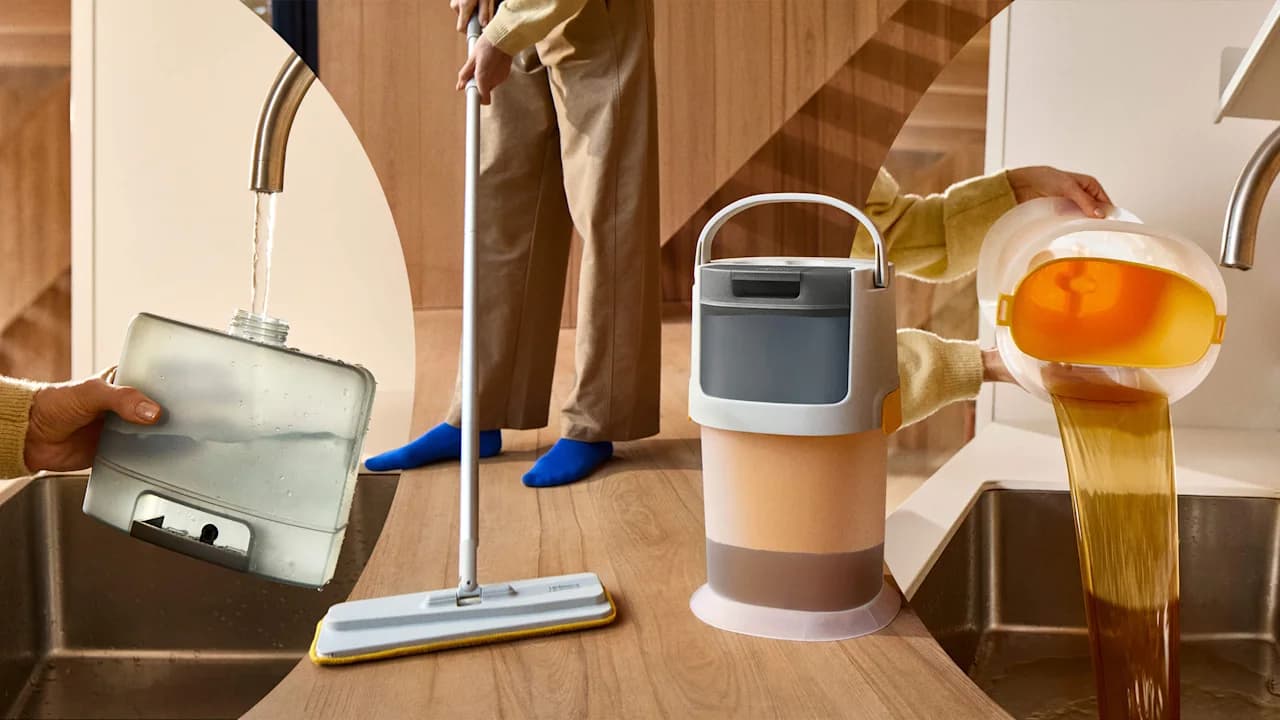
The mop bucket—a tool largely unchanged for over a century—is getting a high-design makeover that could reshape how commercial and residential cleaning operations approach floor maintenance. According to Fast Company, Joseph Joseph, a U.K.-based housewares design studio, has developed the UltraClean system, which separates dirty water from fresh water in a dual-chamber design. For Atlanta's growing commercial cleaning industry and facility management companies, this kind of innovation represents an opportunity to improve operational efficiency and worker satisfaction.
The UltraClean system works by automatically wringing out mop heads while simultaneously spraying fresh water onto the cleaning pad—a two-step process that happens in a single motion. The mechanism includes a translucent bottom chamber that visibly collects soiled water, creating what cofounder Antony Joseph calls a "delight factor." This design choice isn't merely aesthetic; it demonstrates how thoughtful engineering can transform mundane work tools into products that encourage engagement and performance tracking—a principle that resonates with modern workplace management practices.
The design spent four years in development, reflecting a broader trend in which everyday products are being reconsidered for efficiency and sustainability. Commercial cleaning companies operating throughout the Atlanta metro area could benefit from reduced water waste, faster floor drying times, and improved hygiene standards that the UltraClean system promises. At $90 per unit, the investment aligns with how facility managers increasingly view equipment as long-term cost-saving assets rather than disposable supplies.
While the UltraClean system isn't yet available in the U.S. market, its introduction signals growing consumer and commercial demand for smarter, design-conscious solutions to operational challenges. For Atlanta's retail and hospitality sectors—which rely heavily on facility maintenance—monitoring this product's U.S. launch could offer competitive advantages in maintaining cleaner spaces and improving employee workflows. The lesson extends beyond cleaning: companies that reimagine fundamental tools often unlock untapped efficiency gains.