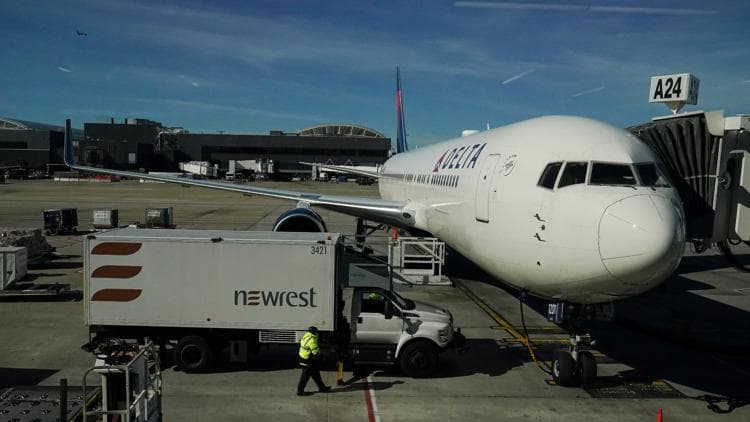
Delta Air Lines, headquartered in Atlanta, has distinguished itself as the nation's most profitable airline through a strategic focus on high-value passengers and operational discipline. According to reporting from the New York Times, the carrier has navigated recent industry turbulence more effectively than peers, positioning itself as a leader in an otherwise volatile sector. For Atlanta's business community, Delta's success underscores the critical role the carrier plays in the region's economy and competitive standing.
The airline's profitability strategy centers on catering to affluent business travelers and premium leisure passengers who prioritize service quality and reliability over bargain fares. This differentiation approach has allowed Delta to command pricing power while building customer loyalty among corporate accounts—a critical advantage in a market increasingly commoditized by low-cost carriers. The company's Atlanta hub remains central to this strategy, serving as a major connection point for premium routes.
However, Delta faces intensifying competitive pressure from United Airlines, which has been aggressively expanding its presence and improving its service offerings. According to the New York Times analysis, this rivalry is shaping industry dynamics as both carriers vie for market share among high-margin passengers. The competition could have implications for Atlanta's role as a major aviation hub and the jobs supported by Delta's local operations.
As the airline industry continues to grapple with labor costs, fuel volatility, and changing travel patterns, Delta's operational execution and customer-focused strategy provide a model worth monitoring. For Atlanta business leaders and investors, the carrier's performance reflects broader trends in how large enterprises navigate uncertainty while maintaining profitability. The company's ability to sustain its competitive edge will likely influence regional economic development and employment opportunities.