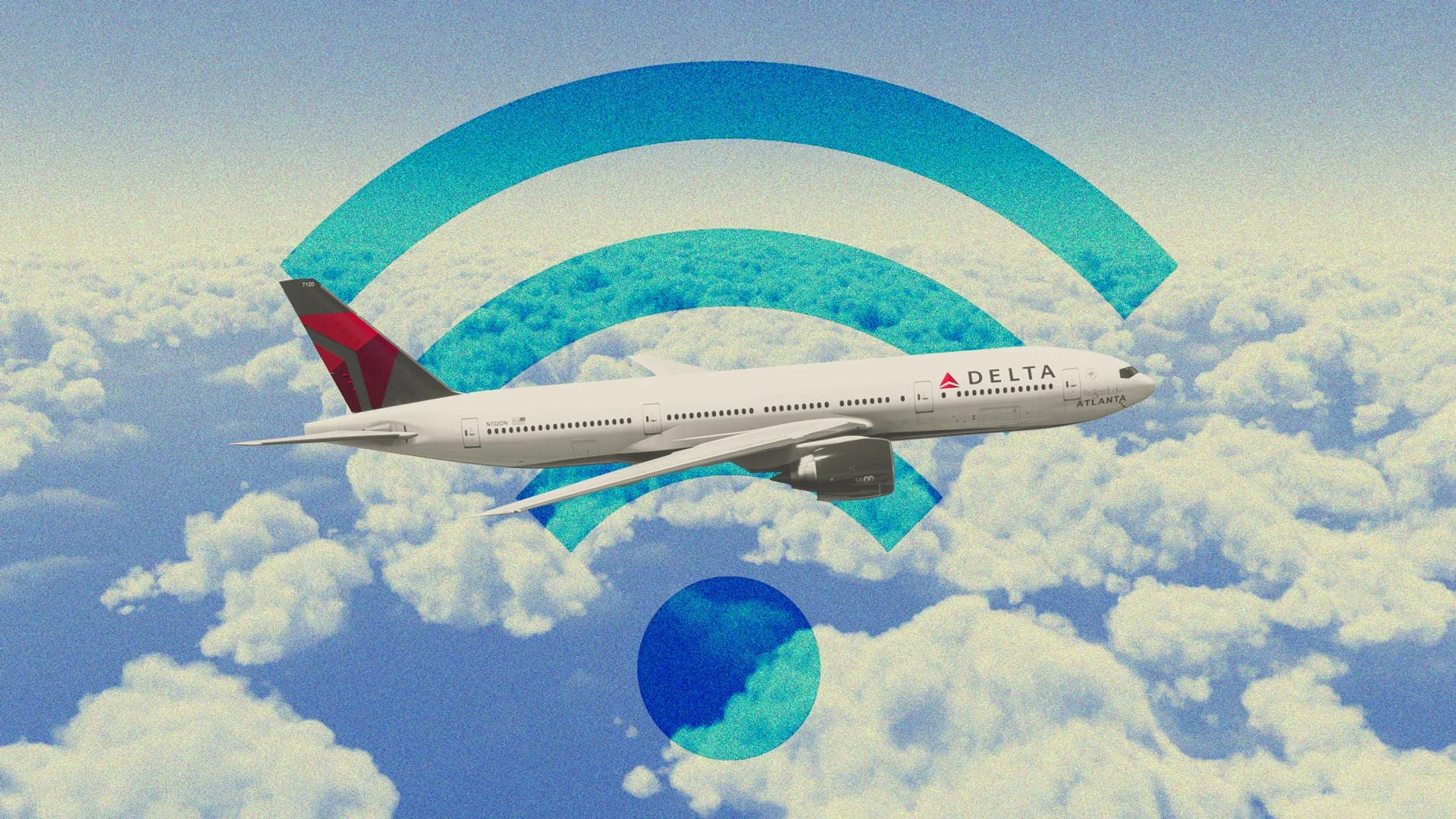
Photo via Inc.
Delta Air Lines, headquartered in Atlanta, has finalized a major partnership with Amazon Web Services for its in-flight Wi-Fi infrastructure. According to Inc., while the deal makes financial sense for the airline's bottom line, industry observers question whether it represents the best choice for the traveling public—a significant consideration for an Atlanta-based carrier serving millions of passengers annually.
The partnership reflects a growing trend among major corporations to prioritize cost efficiency and revenue optimization over customer experience enhancements. For Delta, integrating Amazon's technology likely offers competitive pricing and operational synergies. However, this approach contrasts with competitors who have invested heavily in premium connectivity solutions, potentially positioning themselves as superior travel partners in the eyes of business and leisure travelers.
Atlanta's aviation industry remains critical to the region's economic identity, with Delta serving as a major employer and economic engine. The carrier's infrastructure decisions—from Wi-Fi quality to passenger amenities—directly influence its competitive standing and the customer loyalty that drives revenue growth. Service differentiation through technology has become increasingly important as airlines compete for market share.
The tension between financial optimization and customer satisfaction reflects a broader business debate: whether companies can maintain competitive advantage through cost-cutting alone. For Delta, this partnership signals a preference for steady, predictable returns over the premium positioning that might command higher fares and stronger customer retention. As the airline industry continues evolving, such strategic choices will shape how carriers compete for tomorrow's travelers.