Photo via Fast Company
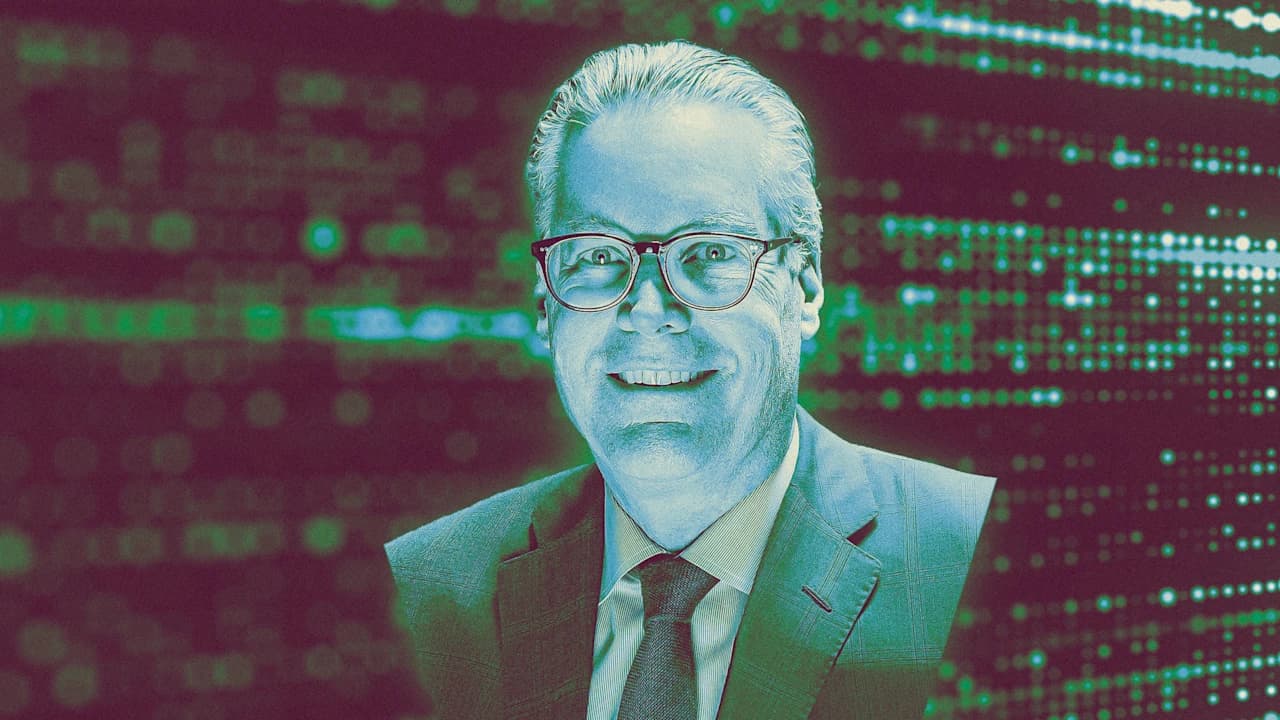
Delta Air Lines CEO Ed Bastian offered Atlanta-area graduates a candid lesson in authenticity during his commencement address at Emory University this week. According to Fast Company, Bastian revealed that he initially experimented with artificial intelligence to draft his remarks, but ultimately rejected the output in favor of a handwritten speech. His transparent approach resonated with the 5,000+ graduates, earning applause in an era when commencement speakers increasingly face pushback over their messaging.
Bastian acknowledged AI's impressive efficiency—he was 'amazed at how quick and easy it was generated'—but identified a critical shortcoming: the absence of soul and warmth. The Delta chief emphasized that graduates deserved to hear from him personally, not from an algorithm, underscoring a tension that many Atlanta business leaders are grappling with as they integrate AI into operations. His decision to set aside the AI-generated draft and 'take pencil to paper' sent a powerful message about maintaining authenticity in an increasingly automated world.
The timing of Bastian's remarks carried particular weight for new entrants to a job market fundamentally reshaped by artificial intelligence. While other commencement speakers have faced backlash for promoting AI as an inevitable revolution, Bastian struck a more nuanced tone. Rather than championing the technology, he pivoted to a timeless principle: personal integrity matters more than convenience. 'Taking a shortcut or pushing the easy button can sometimes be quite tempting,' he told graduates, 'but they never yield an enduring result or an effective solution.'
Under Bastian's leadership since 2016, Delta has grown to a $46 billion market capitalization—a trajectory built on tough decisions and strategic investments. His message to graduates centered on brand and reputation: the assets that define a career are ultimately personal and irreplaceable. In an era when companies and leaders face mounting pressure to adopt cutting-edge technology, Bastian's Emory address offered a reminder that differentiation and trust still depend on human judgment and authentic engagement, not algorithmic efficiency.