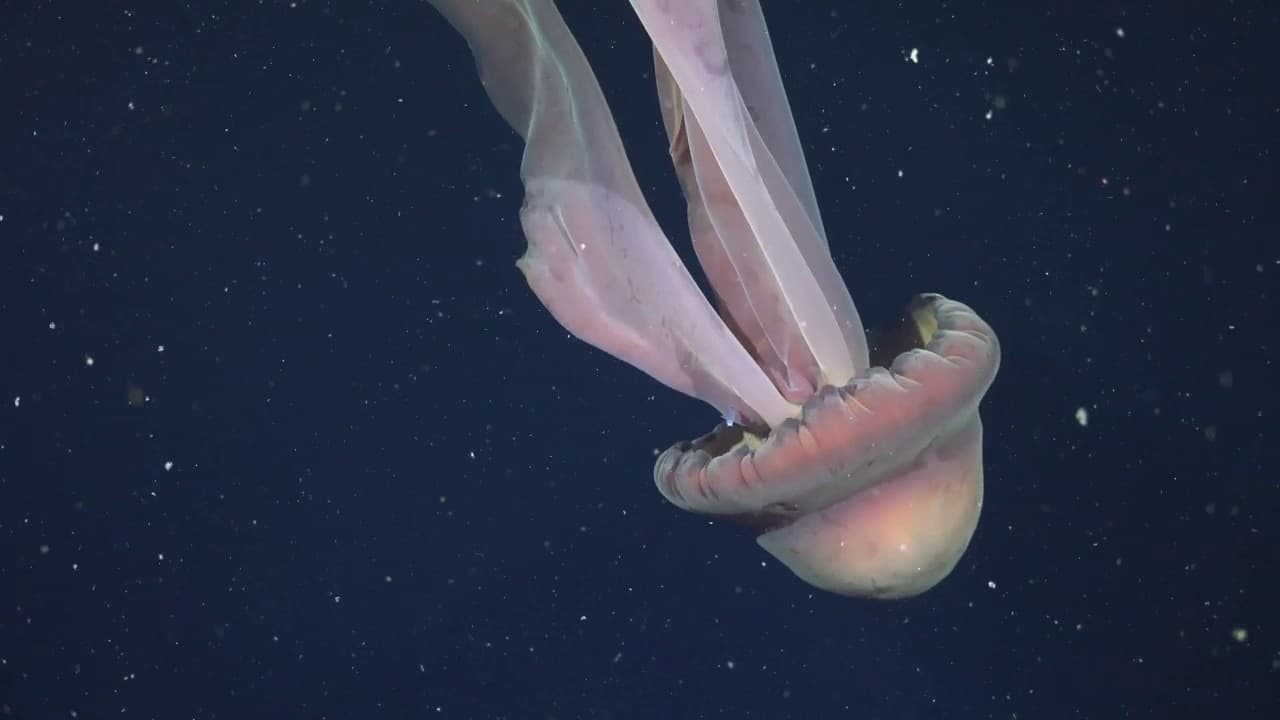
Photo via Fox5 Atlanta
The deep ocean remains one of Earth's final frontiers, and the creatures inhabiting its darkest regions continue to fascinate scientists and entrepreneurs alike. According to Fox5 Atlanta, the Stargazer fish exemplifies nature's most remarkable survival mechanisms, wielding electrical organs capable of delivering up to 50 volts—a biological engineering feat that rivals human technology in its precision and efficiency.
For Atlanta's growing biotech and healthcare sectors, marine biology research presents untapped opportunities for innovation. The electrical systems found in deep-sea organisms have already inspired advances in medical devices, nerve stimulation therapies, and diagnostic equipment. Local research institutions and startups exploring biomimicry—the practice of applying nature-inspired design to human problems—stand to benefit from deeper investment in oceanic studies.
The Stargazer's hunting strategy also demonstrates nature's approach to problem-solving under extreme constraints. Operating in near-total darkness with limited resources, the fish evolved an ambush predation model that minimizes energy expenditure while maximizing success rates. These principles of efficiency and adaptation resonate with how Atlanta's startup community and established companies optimize operations in competitive markets.
As biotechnology continues to reshape healthcare and manufacturing sectors nationally, Georgia-based researchers and companies should consider the competitive advantages that marine science partnerships could offer. Universities and private research facilities exploring oceanic ecosystems may unlock innovations with real commercial applications—from pharmaceutical development to advanced materials science.