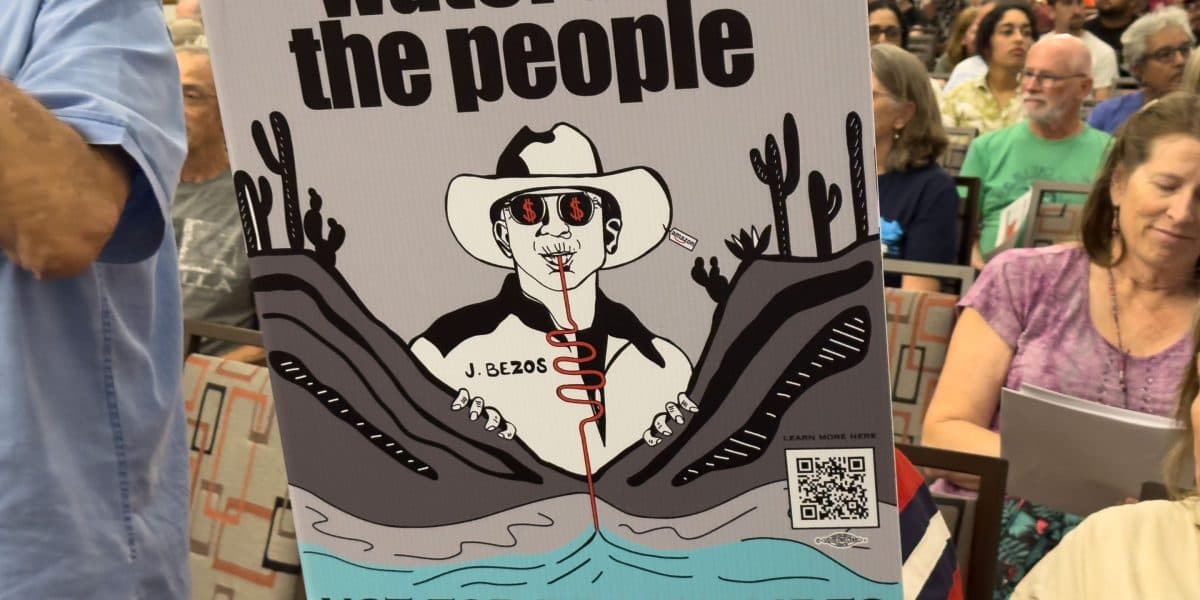
Photo via Fortune
The rapid expansion of data centers across America is creating an unexpected crisis in rural communities: severe water strain. According to Fortune, residents in water-stressed regions are discovering that significant water supplies are being diverted to support the cooling and operational needs of data centers, leaving their own homes facing reduced water pressure and limited access to this essential resource.
Data centers require enormous quantities of water for cooling systems that keep servers operational. In arid and semi-arid regions, this demand has led to concerning practices, including the unauthorized extraction of groundwater. Communities in multiple states have reported that data center operations are prioritized over residential water needs, creating a tension between technological progress and local quality of life.
For Atlanta-area businesses and policymakers, this national trend carries local implications. As Georgia continues to attract tech companies and data center development—particularly around the metro area—stakeholders should consider how to balance infrastructure growth with responsible resource management. The issue underscores the need for proactive regulations and water-use agreements before regional facilities face similar challenges.
The water crisis in rural data center communities highlights a broader sustainability question for the tech industry: How can rapid digital infrastructure expansion coexist with environmental stewardship and community welfare? Companies and municipalities nationwide are beginning to address this through water-efficient cooling technologies and stricter permitting processes—a model Georgia's expanding tech sector may need to adopt.