Photo via Fox5 Atlanta
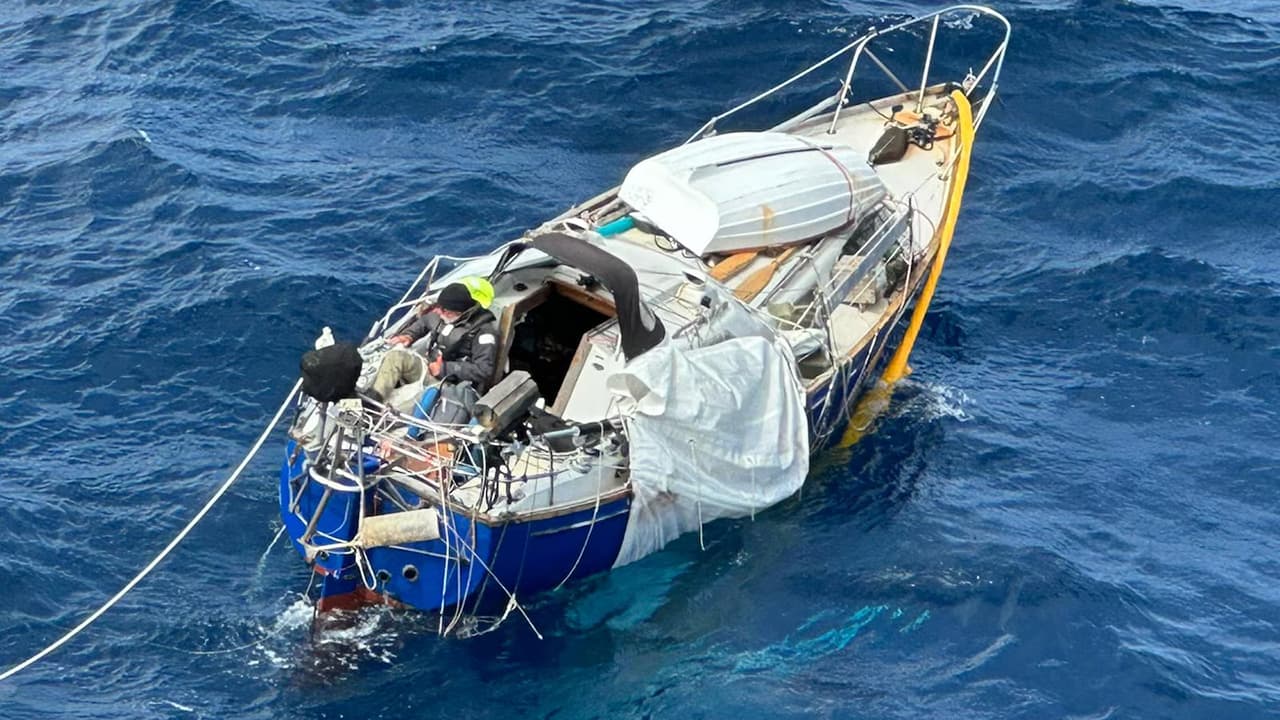
According to Fox5 Atlanta, a cruise ship recently altered its course significantly to assist a 74-year-old sailor in distress approximately 500 miles off the Oregon coast. The vessel diverted 120 miles from its planned route to reach and rescue the stranded mariner, highlighting the maritime industry's commitment to emergency response protocols despite substantial operational disruptions.
For the cruise industry—which operates on razor-thin profit margins dependent on precise scheduling and fuel efficiency—such diversions represent meaningful financial and logistical challenges. The decision to redirect a large vessel carrying hundreds or thousands of passengers involves complex calculations around fuel costs, schedule delays, passenger accommodations, and port timing, all while maintaining a fundamental obligation to assist those in danger at sea.
Atlanta-based cruise lines and maritime operators understand these operational pressures intimately. The cruise and shipping industries that rely on Southeast ports like those in Georgia must balance emergency response capabilities with business continuity. Recent years have intensified scrutiny on how transportation companies manage unforeseen circumstances while maintaining service commitments.
This rescue underscores broader maritime industry discussions about safety infrastructure, communication systems, and the human cost of maritime emergencies. As shipping and cruise operations expand globally, companies continue refining protocols that prioritize life safety while managing the substantial operational and financial implications of emergency interventions at sea.