Photo via Inc.
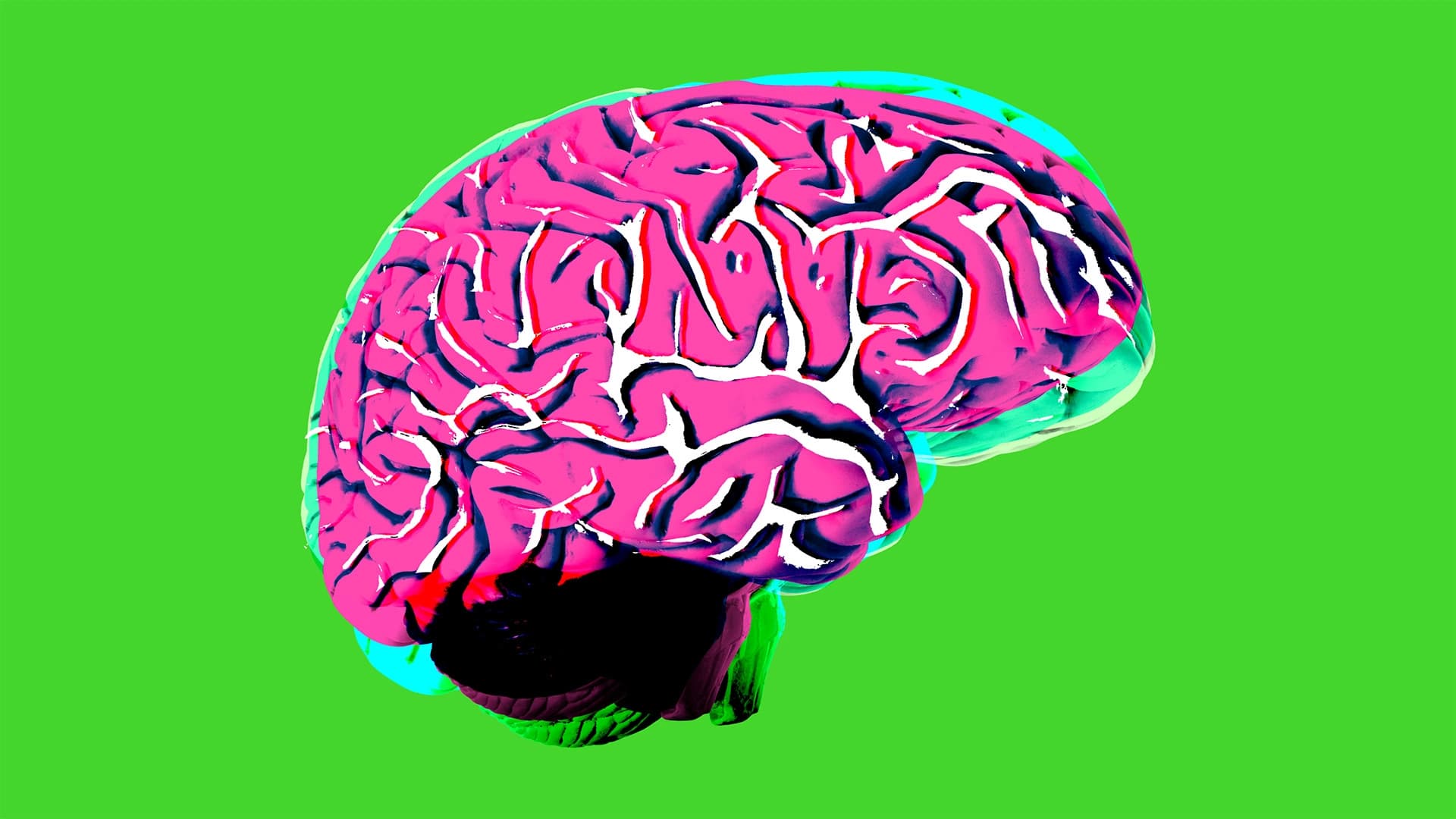
The rapid adoption of artificial intelligence across Atlanta's tech and corporate sectors is creating an unexpected hiring challenge: candidates with strong technical credentials but diminished critical thinking skills. According to recent research cited by Inc., this phenomenon—dubbed "AI brain rot"—represents a genuine concern for talent acquisition professionals evaluating job seekers in competitive markets like Atlanta's growing tech hub.
Atlanta-based recruiters and hiring managers report that technical proficiency alone no longer guarantees career advancement or competitive advantage. Instead, employers increasingly prioritize candidates who demonstrate genuine analytical capability, independent problem-solving, and the ability to question outputs rather than passively accept them. This shift reflects a broader recognition that AI tools are becoming commoditized; the real differentiator is human judgment.
For professionals in Atlanta's finance, technology, and professional services sectors, the implications are significant. Those who have grown dependent on AI for routine thinking tasks—from code generation to data analysis—risk becoming less valuable as organizations seek leaders and individual contributors who can strategically deploy these tools rather than be replaced by them. Building and maintaining critical thinking skills has become as essential as learning the technology itself.
As Atlanta's job market continues evolving, career-focused professionals should balance AI tool proficiency with deliberate practice in analysis, synthesis, and independent thought. Companies competing for talent in the region are signaling that they'll invest in technically skilled workers who retain—and continually sharpen—their capacity for real thinking.