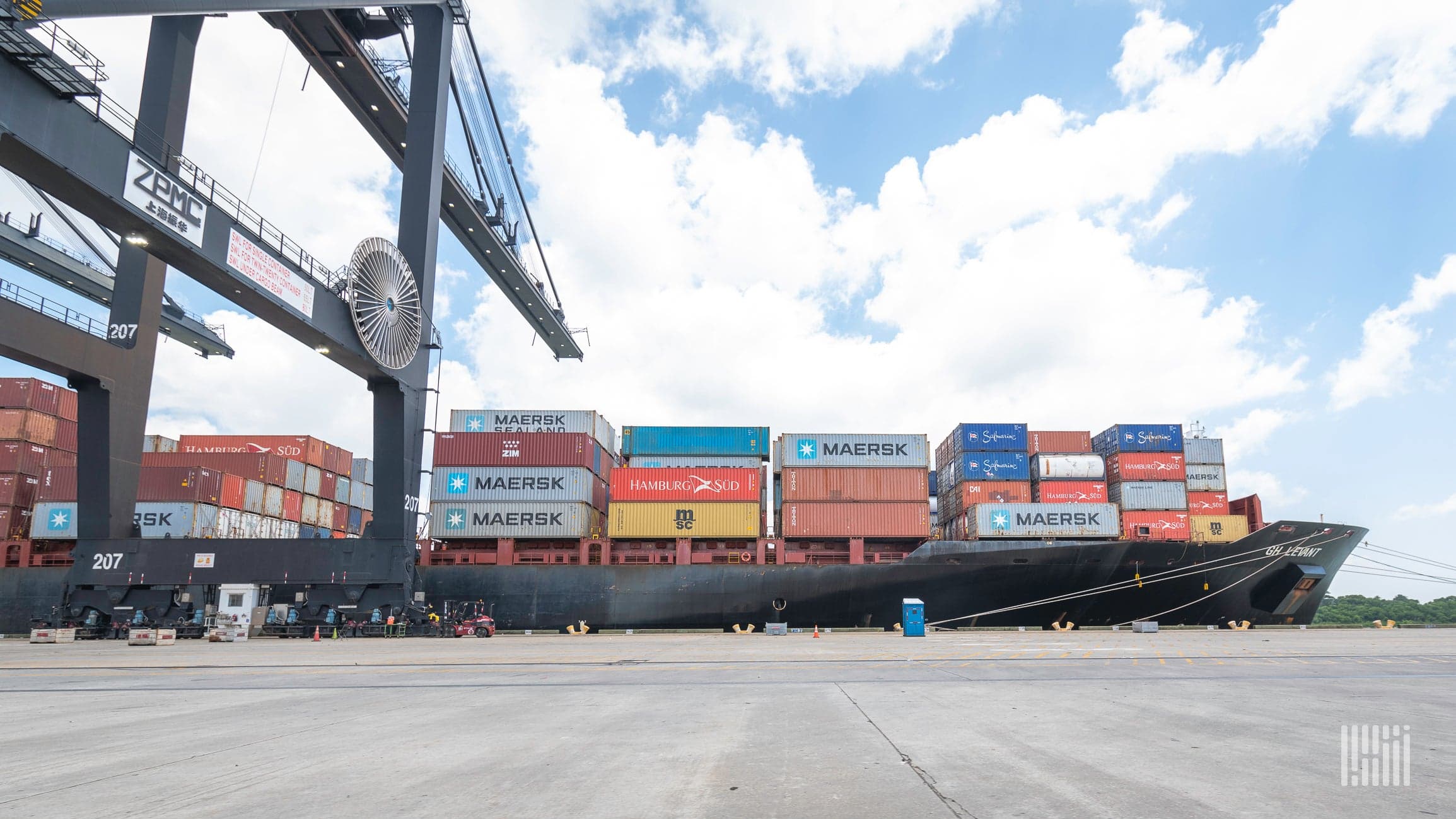
A federal court has escalated scrutiny over the Trump administration's handling of tariff refunds, ordering the U.S. Customs chief to appear at a hearing to explain compliance efforts. According to the New York Times Business, the court summons signals growing judicial concern about whether the government will actually repay the estimated $166 billion owed to businesses harmed by illegally imposed tariffs—a figure that underscores the significant financial exposure created by recent trade policy.
For Atlanta-area businesses, particularly those in logistics, retail, and manufacturing, tariff compliance and potential reimbursements remain crucial financial matters. The Port of Savannah and Atlanta's distribution hub status mean Georgia companies have been disproportionately affected by tariff disputes. The court's intervention suggests there may be faster movement toward resolution, though timing and implementation details remain uncertain.
The hearing represents a potential turning point in how aggressively the administration will pursue repayments. Courts typically intervene in such matters when there are indications of non-compliance or insufficient action. Businesses that have documented tariff impacts should review whether they're positioned to file claims or have already done so with customs authorities.
Atlanta business leaders in trade-dependent sectors should monitor this case closely, as the outcome could affect cash flow recovery timelines and set precedent for future tariff disputes. Companies are advised to consult with trade counsel to ensure they understand their rights regarding refunds and any upcoming administrative processes that may emerge from the court's order.