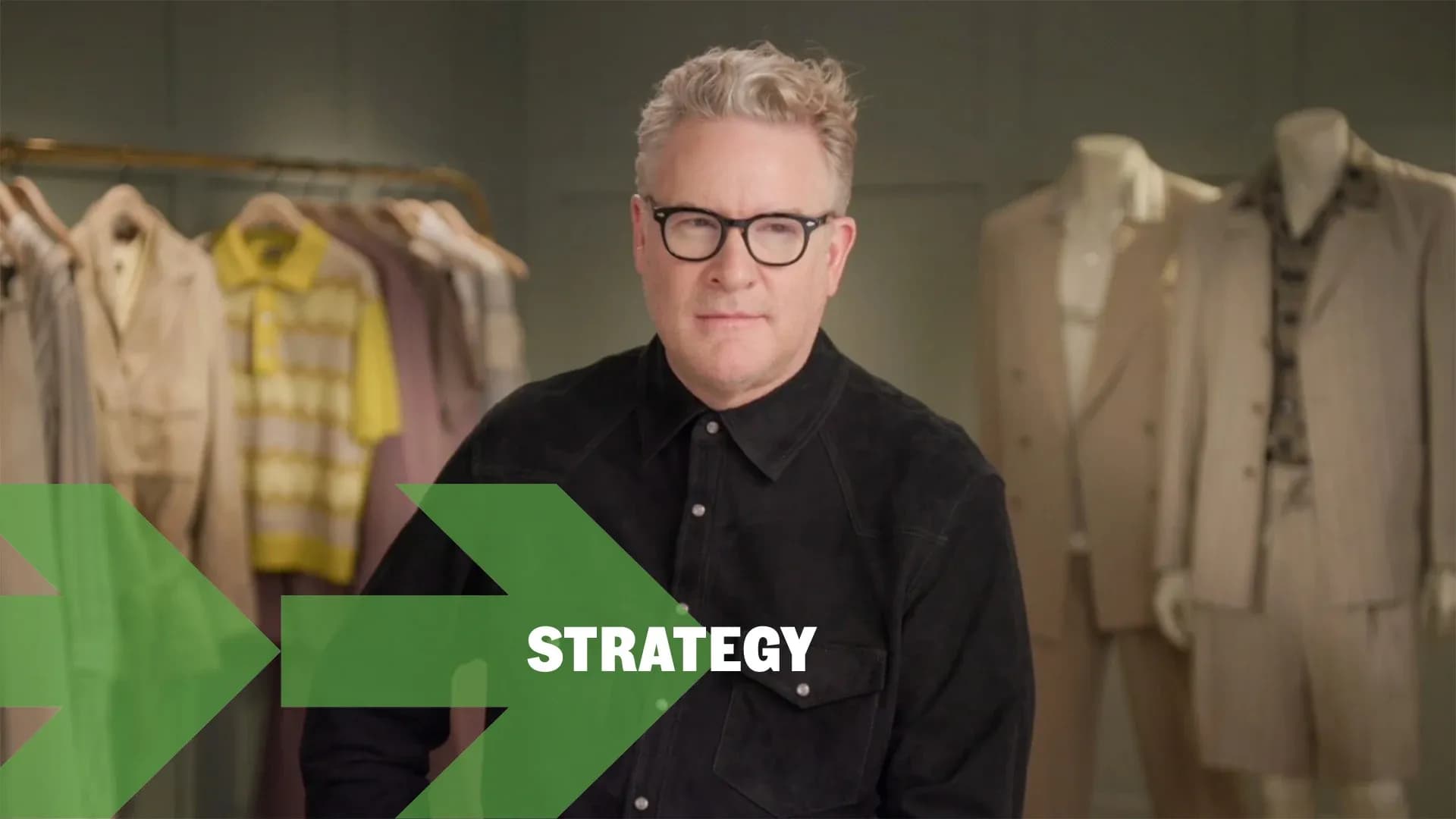
Photo via Inc.
In an increasingly fragmented retail landscape, control over the customer experience has become a fundamental competitive advantage. According to Inc., Todd Snyder built his fashion brand with a deliberate strategy centered on managing every touchpoint between his company and its customers—from product design to final purchase and beyond. This approach reflects a broader shift among successful Atlanta-area retailers who recognize that brand loyalty stems not just from products, but from cohesive, intentional experiences.
For retailers operating in the Southeast, Snyder's philosophy offers practical lessons. By maintaining direct oversight of how customers interact with his brand, Snyder eliminates intermediaries that can dilute messaging and control. This vertical approach allows companies to gather real-time feedback, adjust quickly to market demands, and build emotional connections that discount-driven competitors struggle to replicate. Atlanta's growing retail ecosystem—from independent boutiques to regional chains—can leverage similar principles.
The brand ownership model also addresses a critical challenge facing modern retailers: maintaining authenticity in a digital-first world. When companies outsource significant portions of their customer experience to third parties, they risk losing the narrative control that defines their identity. Snyder's hands-on approach ensures consistency across channels, a lesson particularly relevant for Atlanta businesses expanding into e-commerce and omnichannel retail.
For entrepreneurs and established retailers alike, the takeaway is clear: the products you sell matter less than the experience surrounding them. In Atlanta's competitive business environment, companies that invest in controlling their customer journey—whether through training employees, curating physical spaces, or personalizing digital interactions—position themselves to build sustainable competitive advantages that transcend price competition.