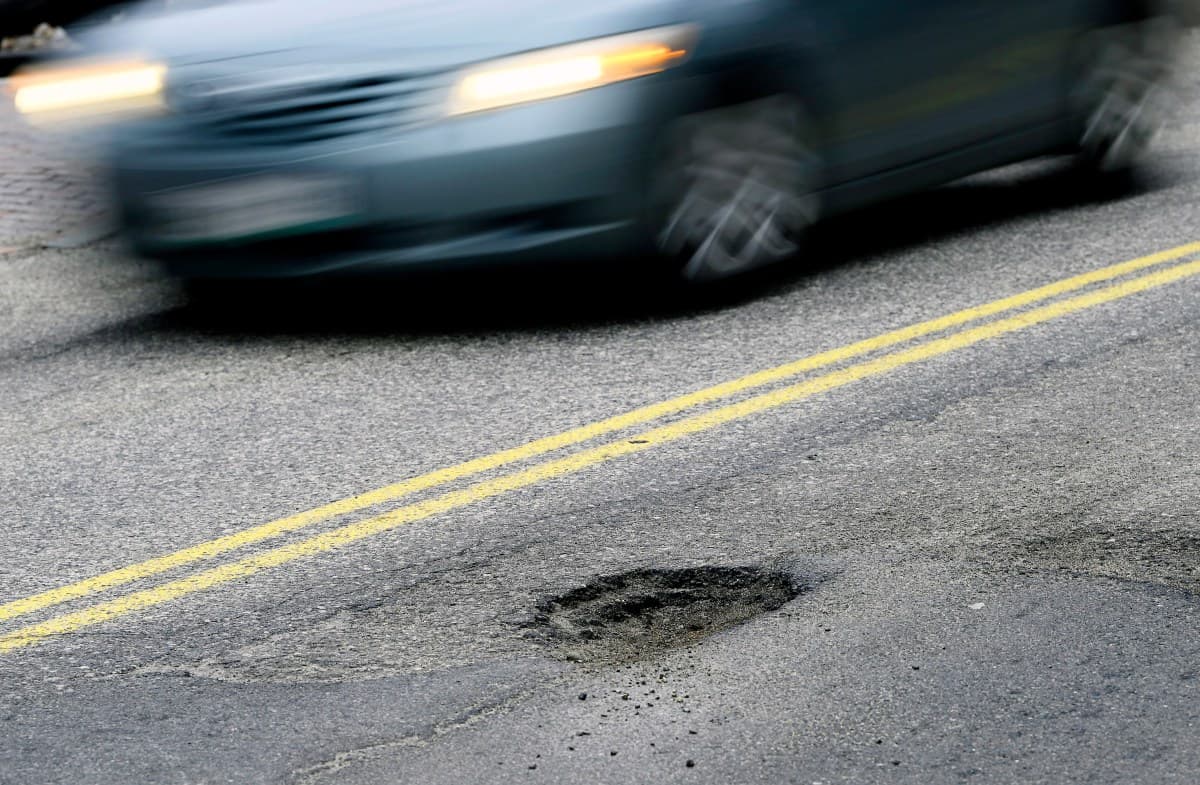
Photo via TechCrunch
Fleet management software company Samsara has engineered an artificial intelligence system capable of identifying potholes and assessing their rate of deterioration, according to TechCrunch. The innovation represents a significant step forward in leveraging connected vehicle data for urban infrastructure management—a development particularly relevant for Atlanta, where aging roads and heavy traffic create ongoing maintenance challenges.
The technology works by analyzing data collected from vehicles equipped with Samsara's telematics systems. As these connected cars traverse city streets, the AI model processes information about road conditions and identifies pavement defects. This approach transforms commercial fleets into a distributed network of sensors, potentially providing city planners and public works departments with real-time intelligence about infrastructure needs.
For Atlanta-area logistics and delivery companies—a significant segment of the region's economy—this technology offers practical benefits beyond infrastructure reporting. Better road condition data can help fleet managers optimize routes, reduce vehicle wear and tear, and improve driver safety. Companies operating in metro Atlanta's congested corridors could see measurable gains in operational efficiency.
The development also underscores how artificial intelligence is reshaping urban planning and municipal operations. Cities nationwide are exploring similar data-driven approaches to infrastructure management, suggesting that Atlanta's public works department and regional transportation agencies may soon have access to comparable tools for identifying maintenance priorities and allocating budgets more effectively.