Photo via FreightWaves
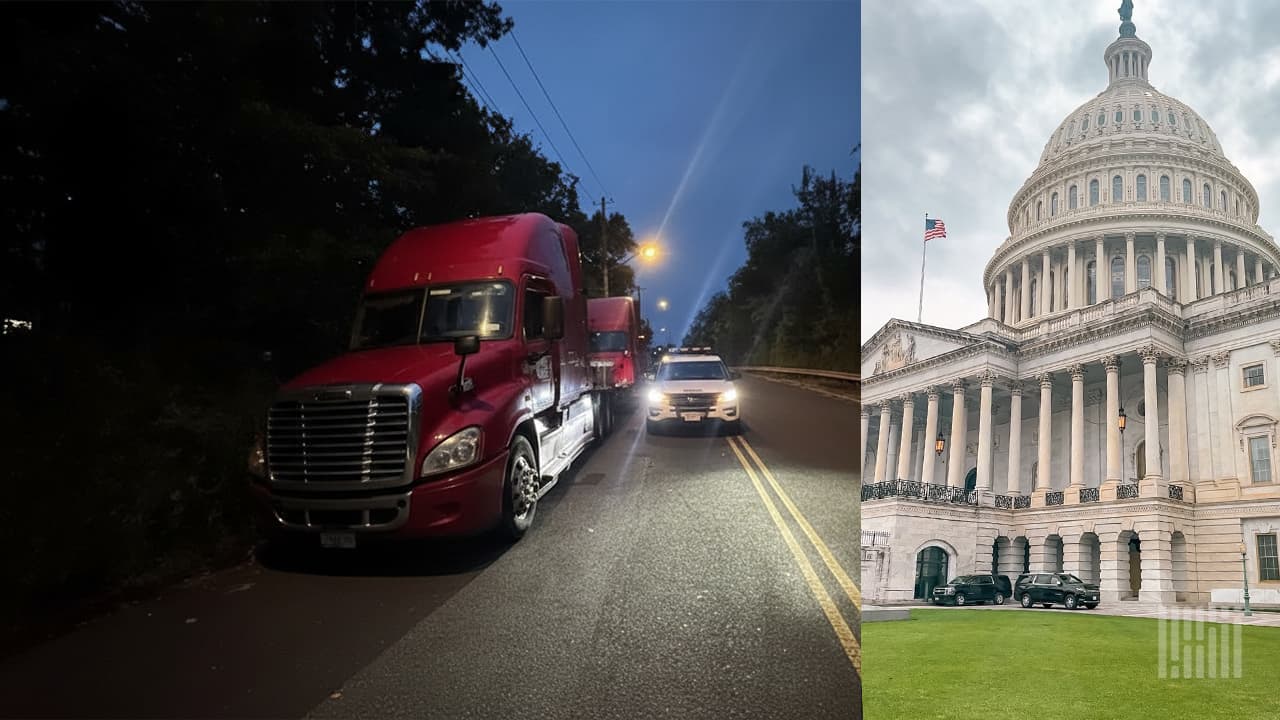
According to FreightWaves, a comprehensive audit of trucking-related bills introduced in Congress shows a striking disconnect between legislative activity and actual lawmaking. Of 79 trucking bills identified by the publication, only three have become law, indicating that despite significant proposed legislation, the trucking industry faces limited new regulatory changes through Congress. The analysis examined every bill and legislator involved in trucking policy, seeking to understand the legislative landscape governing commercial transportation.
The investigation cross-referenced congressional trucking proposals with Motor Carrier Safety Assistance Program (MCSAP) funding enforcement and state-level crash data. This approach allowed researchers to assess whether legislators championing trucking bills were doing so in jurisdictions with notable safety challenges. The methodology underscores growing scrutiny of how federal transportation policy decisions are made and whether legislative priorities align with real-world safety concerns on American roadways.
The low conversion rate from bills to enacted law suggests ongoing challenges in building consensus on trucking regulation. Whether stemming from industry lobbying, competing priorities, or partisan gridlock, the slow legislative pace highlights the difficulty Congress faces in updating commercial transportation policy at a time when safety advocates and fleet operators have diverging interests regarding regulatory requirements.