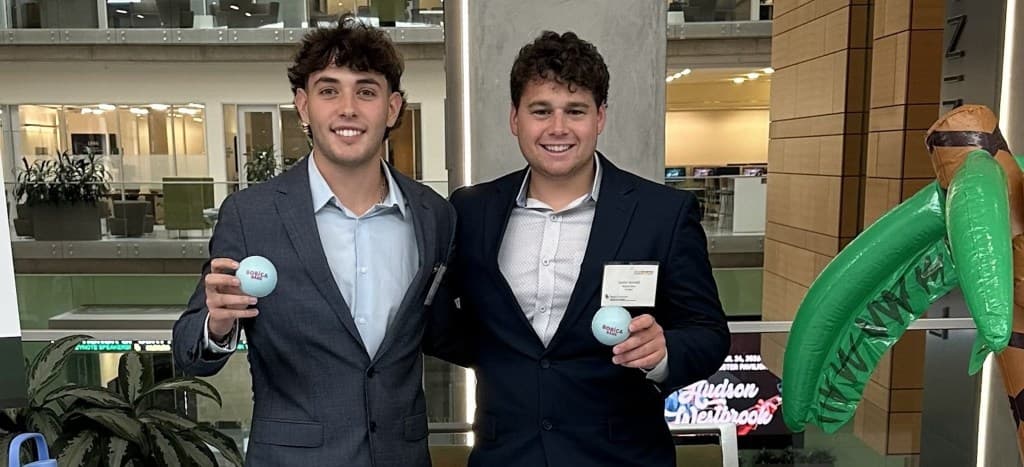
Photo via Entrepreneur
Harrison Nastasi and Justin Iannelli represent a growing wave of college-age entrepreneurs who are building profitable ventures alongside their studies. According to Entrepreneur magazine, the two friends identified an opportunity in the consumer snack space and moved quickly to capitalize on it, generating $10,000 in revenue within their first 30 days of operation. Their success underscores how the barriers to entry for product-based businesses have lowered, particularly for ambitious students in major metro areas like Atlanta.
The journey to profitability wasn't immediate. Like many first-time founders, Nastasi and Iannelli worked through numerous unsuccessful concepts before landing on their winning idea. This iterative approach—testing, failing, and pivoting—has become standard practice in startup culture and is increasingly taught in entrepreneurship programs at Atlanta institutions including Georgia Tech and Emory University. Their willingness to abandon 'pretty terrible' ideas in favor of stronger opportunities demonstrates the kind of lean thinking that investors reward.
What distinguishes this venture is the operational flexibility required to run a business while maintaining academic commitments. Nastasi noted that he carries his laptop everywhere, enabling him to manage the business from anywhere on campus or in the Atlanta area. This mobile-first approach to entrepreneurship is particularly viable for products with strong digital distribution channels or e-commerce components, allowing founders to scale without traditional brick-and-mortar overhead.
For Atlanta's entrepreneurial ecosystem, such stories reinforce the region's growing reputation as a startup hub. As more college-age founders achieve early traction with side projects, they often go on to establish permanent operations in the city, contributing to the local economy and talent pool. The success of ventures like Nastasi and Iannelli's serves as a practical case study for other student entrepreneurs considering whether to pursue their own ideas.