
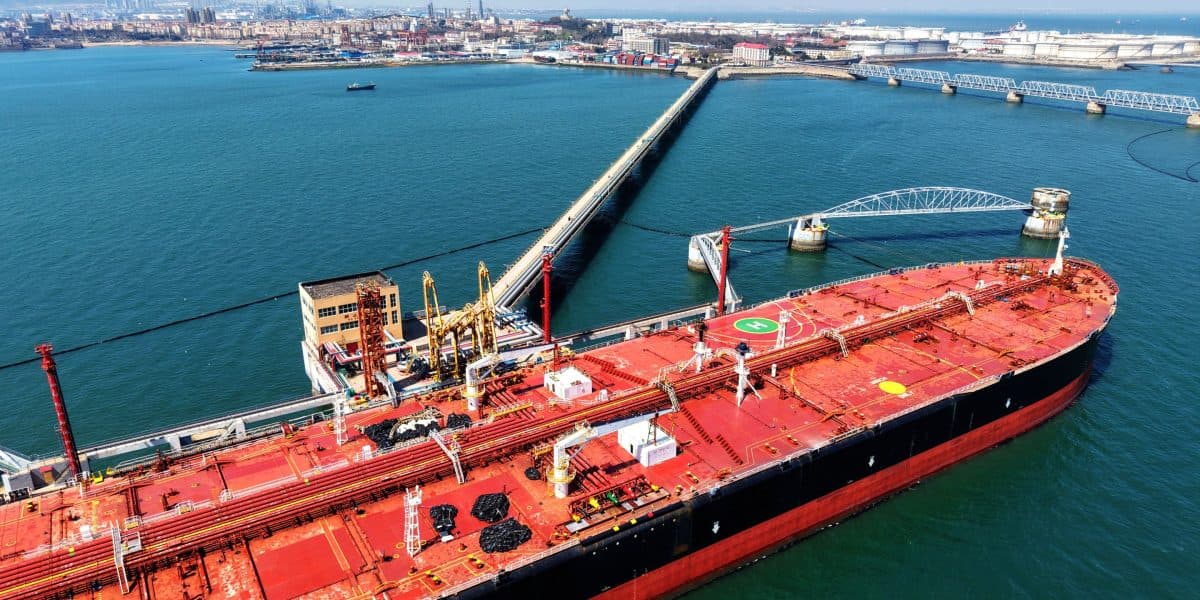
Photo via Fortune
According to Fortune, Wall Street analysts have identified an unexpected stabilizing force in volatile global oil markets: China's demand patterns. The world's second-largest economy has quietly emerged as a swing consumer, flexibly adjusting its oil purchases based on market conditions rather than following predictable consumption patterns. This behavior contrasts sharply with earlier forecasts that predicted supply shortages and price spikes would inevitably disrupt global energy markets.
For Atlanta's energy sector and logistics companies, China's role as a demand moderator has significant implications. When the Chinese economy weakens or oil prices spike, Beijing's willingness to reduce imports provides a safety valve that prevents the kind of market shock that would ripple through U.S. ports, transportation networks, and fuel costs. This stabilization mechanism has kept energy prices more manageable than doomsday scenarios predicted, benefiting everything from trucking operations to aviation at Hartsfield-Jackson.
The broader insight reveals how interconnected modern commodity markets have become. Rather than following rigid consumption models, major economies like China now act as strategic buffers, adjusting purchasing behavior to maintain market equilibrium. This flexibility has surprised many analysts who expected supply constraints to force prices higher—a scenario that would have pressured margins for Atlanta-based transportation and manufacturing companies.
As global energy markets continue evolving, businesses in the Southeast should monitor China's economic indicators closely. The nation's consumption patterns now serve as an early warning system for potential supply disruptions or price movements. For Atlanta companies dependent on stable energy costs, understanding China's role in global oil dynamics has become essential to strategic planning and forecasting.