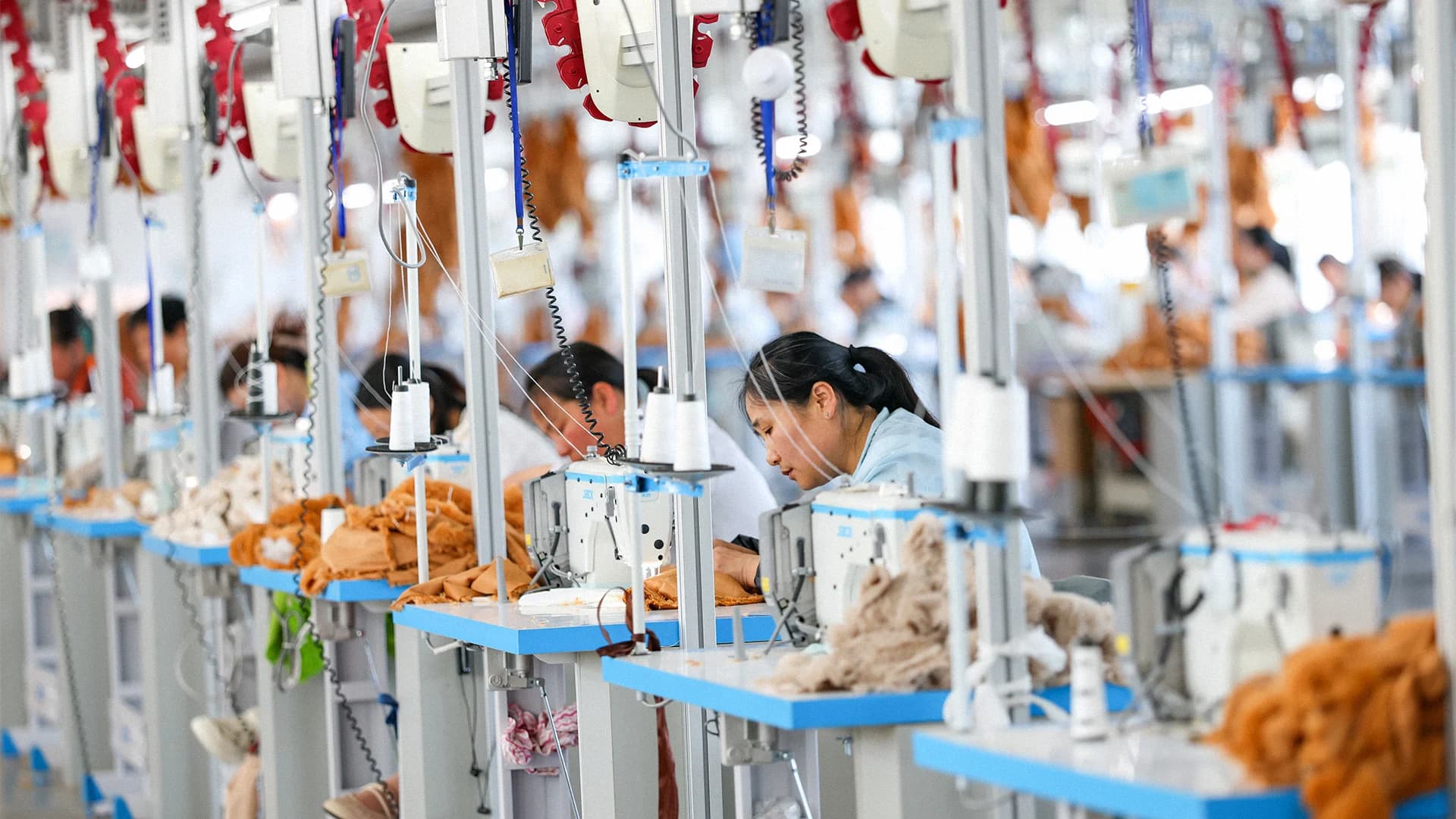
Photo via Inc.
According to Inc., Chinese regulators have implemented new rules designed to penalize foreign companies attempting to circumvent U.S. tariffs by relocating production away from mainland China. For Atlanta-area manufacturers and logistics companies that have considered moving operations to Vietnam, India, or Southeast Asia, these regulations represent a significant complication to what many viewed as a straightforward business decision.
The regulatory trap works by subjecting companies to extensive legal scrutiny and investigation during the departure process itself. Rather than simply allowing businesses to pack up and leave, Beijing now requires detailed documentation and approval for asset transfers, intellectual property movements, and supply chain restructuring—essentially making an exit from China a prolonged legal process rather than a clean break.
Georgia's substantial manufacturing and logistics sectors, which have increasingly looked to diversify away from China-dependent supply chains over the past three years, now face a strategic dilemma. Companies must weigh the costs of remaining in the Chinese market against the legal and operational complexity of leaving, potentially extending timelines for supply chain reshoring initiatives that Atlanta-area businesses had hoped to accelerate.
Industry experts suggest that companies caught in this regulatory squeeze should consult with legal and trade compliance specialists before executing any major supply chain migrations. For Atlanta firms already committed to China exits, understanding Beijing's new approval processes—and building in extra lead time—will be critical to avoiding costly investigations and operational disruptions.